Tucson makes a persuasive case for preventive HVAC maintenance. Summer highs routinely climb above 100 F, the sun bakes equipment left in partial shade, monsoon storms kick up dust and debris, and long stretches of dry heat mean air conditioners run for months with little reprieve. The result is straightforward: systems wear faster here than in milder climates, and small issues amplify quickly into big, expensive failures. Preventive care is the difference between predictable seasonal upkeep and frantic searches for "AC repair in Tucson" on the hottest day of the year.
What follows is practical guidance drawn from hands-on experience with residential and light commercial systems in desert environments. I explain why regular maintenance pays, what technicians actually do during a service visit, how to prioritize spending, and when a complete replacement or new AC installation makes sense. Expect concrete numbers, realistic timelines, and trade-offs that reflect Tucson conditions rather than generic advice.
Why Tucson is a harsher environment for HVAC equipment Tucson's combination of heat, dust, and solar exposure stresses equipment along several vectors. High ambient temperature reduces an air conditioner’s cooling capacity and forces the compressor to work harder, increasing electric draw and component wear. Dust and fine particulates infiltrate coils and fans, cutting airflow and heat transfer efficiency. Monsoon winds and seasonal pollen load add contaminants that clog filters and accumulate on condenser fins. Finally, many homes use shallow roof overhangs and light landscaping that provide little shading for outdoor units, so condenser https://jsbin.com/ruliyahalu rocks with direct sun.
A few numbers to anchor this: a clean, well-maintained central AC might deliver a seasonal energy performance that keeps your bills stable year to year. Neglect the same unit for two to three summers in Tucson and you can easily see efficiency drop by 10 to 25 percent. That shows up as higher electric bills and shorter equipment life. Compressors and capacitors are common early casualties, and both replaceable parts plus labor on a weekend can approach half the cost of a new mid-efficiency system if the unit is old.
What preventive maintenance actually achieves Maintenance is not a ritual. It fixes specific failure modes, restores lost capacity, keeps warranties valid, and reduces emergency calls. Regular service changes the economic equation from reactive repairs to planned capital and operating expenditures.
First, filter and coil care. Replacing or cleaning filters and cleaning evaporator and condenser coils restores airflow and heat transfer. That single action often recovers 5 to 15 percent of lost efficiency. Second, refrigerant checks and adjustments. Low refrigerant from tiny leaks or undercharging reduces cooling and forces compressors to overwork. A trained technician can detect leaks, correct charge to manufacturer specifications, and advise on long-term options. Third, electrical and mechanical inspections. Tightening electrical connections, testing capacitors and contactors, lubricating motors where applicable, and ensuring proper thermostat calibration prevent sudden failures that often occur during peak load. Fourth, drainage and condensate control. In humid or monsoon-prone periods, blocked condensate drains cause water damage and mold risk. Clearing and testing drain paths is a small task that avoids major headaches. Fifth, safety and efficiency checks that include airflow measurement, static pressure evaluation, and refrigerant line insulation inspection.
These actions translate into outcomes people notice: shorter downtime, lower monthly bills, quieter operation, and fewer emergency calls for "Emergency AC repair near me". For homeowners concerned about indoor air quality, maintenance also reduces dust and mold growth inside ductwork and filters, which improves comfort and may reduce allergy symptoms.
How often and who should perform maintenance For most Tucson homes, a minimum of two professional maintenance visits per year makes sense: one in spring before heavy use, and one in fall after the season winds down. That schedule prepares your system for summer demand and addresses any issues before winter heating or space humidity management becomes necessary. If your system is older than 10 years, or if you have puppies or heavy dust loads from nearby unpaved streets, consider quarterly checks.
Deciding who performs the work matters. A homeowner can replace filters and clean visible debris, but accurate refrigerant charging, leak detection, electrical testing, and airflow measurement require tools and training. Search for a qualified HVAC contractor with local experience and references. Typing "HVAC company near me" or "HVAC Service Near Me" might return dozens of options; look for licensing, customer reviews that mention Tucson-specific conditions, transparent pricing for maintenance plans, and technicians who explain findings rather than pushing unnecessary parts. If you already have a provider you trust, like Plunkett Home Services or a similar local firm, ask about seasonal tune-up plans and whether they include priority scheduling for emergency calls.
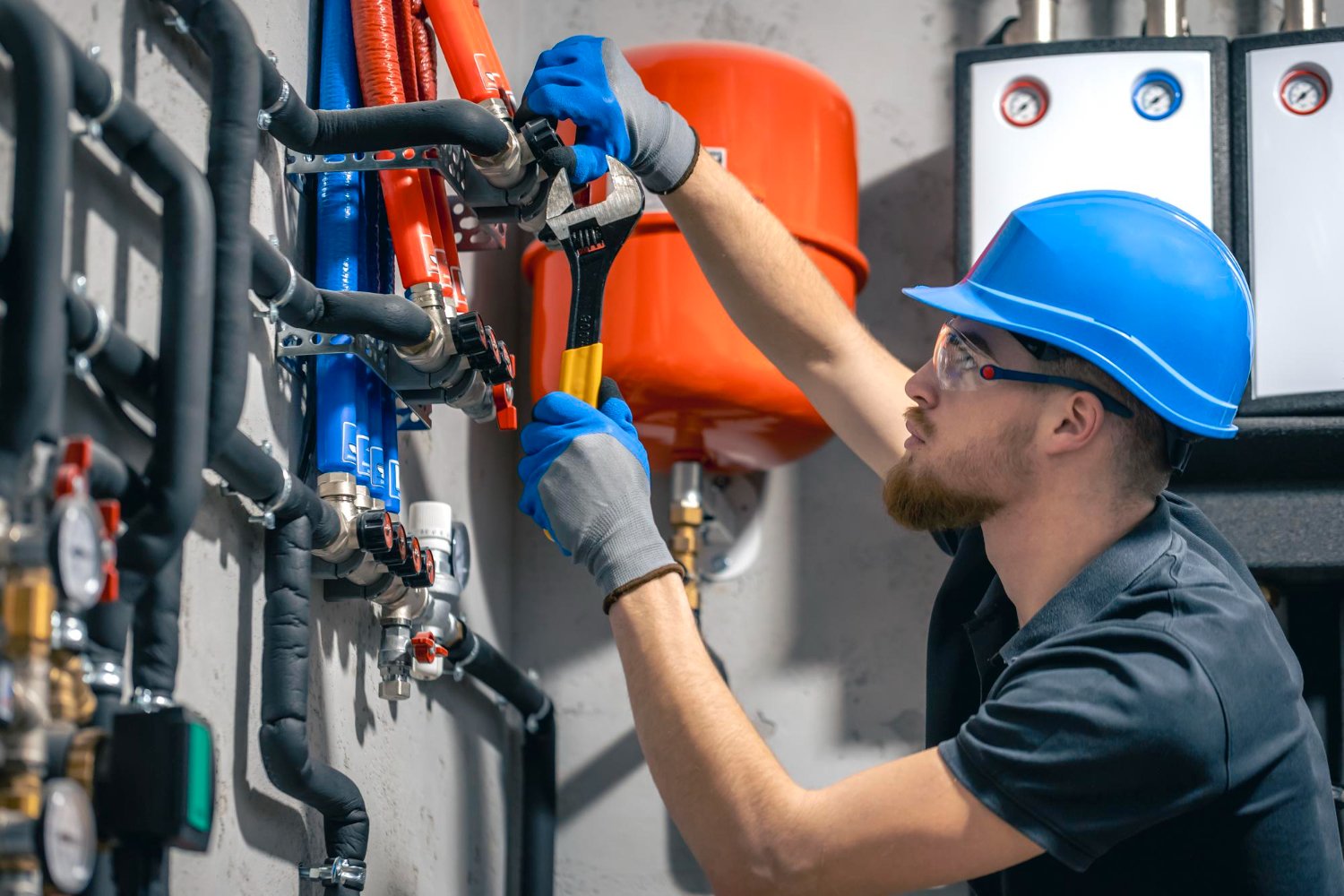
A realistic maintenance visit: what to expect A reputable maintenance visit takes 45 to 90 minutes for a typical single-family home system. The technician will usually:
- Replace or inspect filters, recommending a schedule based on filter type and household conditions. Measure temperature split between supply and return air to judge system performance. Inspect and clean the condenser coil and the evaporator coil as needed. Check refrigerant pressure and look for signs of leaks. Test electrical components, tighten connections, and measure current draw on motors. Inspect and clear condensate drains, test safety switches, and check insulation on refrigerant lines. Verify thermostat settings and calibration.
A technician should provide a concise report documenting findings, recommended repairs, and a prioritized list of items to address. A good company will show you photos or point out specific dirty components, so recommendations feel factual rather than sales driven.
Costs and value: how to evaluate service contracts You will see a range of maintenance pricing. Standalone tune-ups in Tucson commonly fall between $90 and $250 per visit, depending on company, system complexity, and whether the visit includes coil cleaning or diagnostic tests. Annual maintenance contracts often reduce per-visit cost and may add perks like priority scheduling, discounts on parts and labor, and waived diagnostic fees for emergency repair.
Evaluate the contract by comparing the cost to the alternative: emergency repairs and reduced efficiency. A single major weekend repair for a failed compressor can easily exceed $1,200 to $2,500 installed, depending on system size and accessibility. If preventive service reduces the probability of such failures even by 30 percent, the savings justify the contract for many homeowners. Also consider the intangible value of not being without cooling on a 105 F day while you wait for an "Emergency AC repair near me".
When repair is an unwise choice and replacement is better Not every system is worth endless repair. Age, efficiency, and the severity of required repairs determine the tipping point. A practical rule of thumb used by many HVAC contractors is the 50 percent rule: if a repair costs more than half the price of a new unit and the existing system is more than 10 to 12 years old, replacement usually makes sense. There are exceptions. If your ductwork, home layout, or recent efficiency upgrades make a new system impractical, repair may be the right choice even if expensive.
New AC installation in Tucson should weigh seasonal performance and long-term savings. Modern high-SEER units can offer notable efficiency improvements, but initial costs often run several thousand dollars installed depending on system size, duct modifications, permitting, and any necessary electrical upgrades. If you plan to stay in the house for less than five years, the payback window may be too long to justify a premium high-efficiency system solely on lower bills. For longer ownership horizons, central air conditioning replacement often pays back through comfort, decreased repair hassle, and lower monthly energy costs.
DIY maintenance vs. Professional service There is useful DIY work that homeowners should do regularly: change filters monthly to every three months depending on filter type and home conditions; keep outdoor condenser units free of weeds, leaves, and accumulated debris; maintain a clear area for airflow by trimming shrubs and avoiding storage near the unit; and check for unusual odors or sounds that precede failure.
Professional service brings tools and diagnostics beyond the homeowner scope. Technicians perform refrigerant diagnostics, electrical tests, airflow measurements, and safe handling of capacitors and contactors. They also document warranty requirements. Many manufacturers require proof of annual maintenance to honor compressor warranties. A warranty claim denied because of missed service is an expensive lesson.
A short seasonal checklist you can use before heavy cooling demands
- Replace or clean the indoor filter and inspect cabinet for dust accumulation. Clear debris from around the outdoor condenser and straighten any bent fins gently. Test the thermostat: set cooling mode, check that fan cycles correctly, and verify supply air is noticeably cooler than return. Run the system and listen for abnormal noises, check for water draining, and note any unusual cycling or inadequate cooling. If anything seems off, take photos, note the time and conditions, and call a trusted HVAC contractor rather than waiting until the unit fails.
Managing emergencies and knowing when to call Emergencies cluster in two scenarios: total compressor lockup leading to no cooling, and electrical failures that trigger breaker trips or a burned smell. If you lose cooling on a very hot day, do a quick home check first: confirm breakers are on, thermostat batteries are fresh if applicable, and that return registers are unobstructed. If the outdoor unit is powered but not running and you detect burning smells or popping sounds, shut off power and call a professional.
Having a plan ahead of time saves stress. Identify an HVAC contractor that offers "Emergency AC repair near me" services, confirm their after-hours policy, and ask about response windows. Some firms offer homeowner maintenance plans that include emergency priority, which can be invaluable during heat waves. When you call, have system make and model handy, any recent service history, and describe the symptom clearly. Good companies will ask targeted questions and give realistic arrival windows.
Indoor air quality, mold, and health considerations Tucson’s dry climate reduces persistent indoor humidity issues compared with coastal areas, but localized condensate problems, dusty ducts, and neglected filters still degrade indoor air. Mold growth tends to concentrate where condensate accumulates and drainage fails. Mold spores can aggravate allergies, and dust recirculated through a dirty system creates visible dusting and discomfort.
Routine maintenance reduces these risks. Upgrading to a higher-MERV filter provides better particulate capture but increases fan load, which some older systems cannot handle efficiently. A technician can advise whether a blower motor upgrade or different filter class is appropriate. For people with severe respiratory conditions, adding zone controls, UV germicidal lights in the drain pan area, or dedicated whole-house filtration systems are options, but they have incremental costs and trade-offs. Evaluate the benefits relative to medical needs and energy impacts.
Choosing an HVAC contractor in Tucson: questions to ask Experience in Tucson climate matters. Ask potential contractors about how they handle common regional problems: dust management, recommended refrigerant types, protective shading for outdoor units, and their approach to monsoon season maintenance. Request references from recent local customers and check for licensing and insurance. Confirm whether labor and parts for diagnostic visits are separate from repair quotes and whether their maintenance plan includes priority scheduling for peak season or emergency service. If someone pushes immediate replacement without diagnostic evidence, get a second opinion.
A final practical note about timing and finance If your system is showing signs of age and inefficient performance in spring, acting before summer buys comfort and avoids rush-season price surges. Financing options can spread the cost of a replacement, and seasonal promotions sometimes appear in spring. Preventive maintenance is cheap relative to replacement, but if replacement is inevitable, timing it before peak demand smooths the process and often yields better pricing and quicker scheduling.

Preventive maintenance in Tucson is not a luxury. It is insurance against heat, dust, and stress that accumulate faster here than in many parts of the country. Regular, professional service restores lost capacity, protects warranties, cuts unexpected failures, and helps households survive the long hot stretch without emergency searches for "AC repair in Tucson" or "HVAC repair" on the hottest day. If you are evaluating providers, look for local experience, transparent pricing, and a maintenance plan that gives you priority access in summer. Whether you call a national chain or a trusted local team like Plunkett Home Services, pick a partner who understands Tucson specifics and treats maintenance as targeted prevention, not optional extras.
Plunkett Home Services
3144 E Fort Lowell Rd, Tucson, AZ 85716, United States
+1 (520) 808-2743
[email protected]
https://callplunkett.com/