Summer in Tucson tests more than your tolerance for heat. It tests your air conditioner. When your AC behaves like a tired runner staggering toward the finish line, you face a choice: repair and hope, or replace and reset expectations. Both paths make sense in different situations. Here I lay out practical, experience-grounded guidance so you can decide with confidence, avoid expensive surprises, and pick the right HVAC company near me when you need hands-on help.
Why this matters A working air conditioner is not a luxury in the desert, it is a necessity for health, sleep, and preserving your home. A bad decision can cost thousands, raise monthly energy bills, or leave you searching for emergency AC repair near me during the hottest week of the year. This article helps you weigh the real costs and trade-offs: upfront expense, running costs, reliability, and what repairs will actually accomplish.
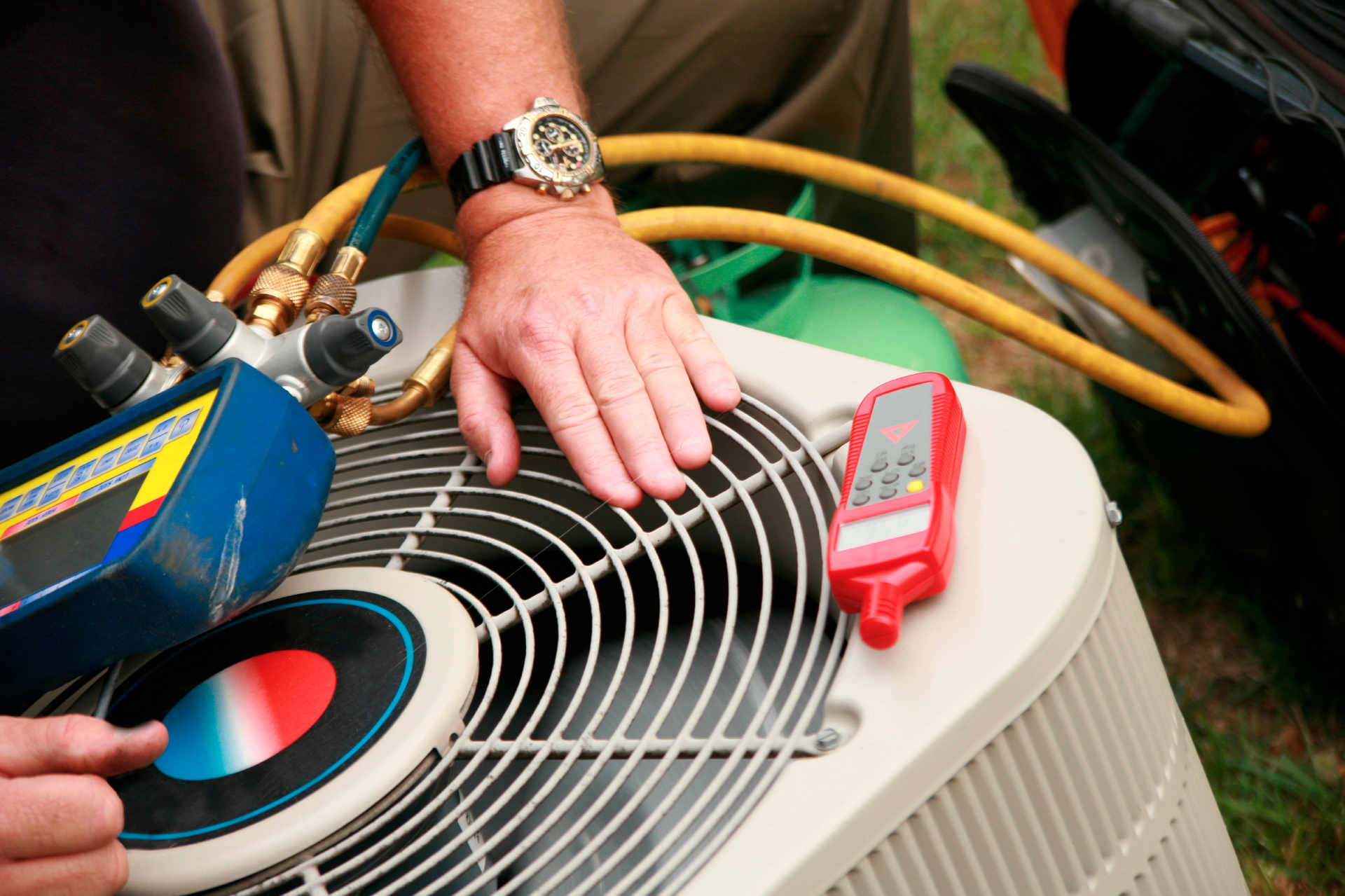
How I approach it on service calls On service calls I start by asking three quick questions: how old is the unit, what symptoms are present, and how often has it needed work recently. From there I inspect the system, measure pressures, check airflow, and evaluate ductwork and thermostat controls. Most homeowners want a clear rule of thumb, but the right answer blends numbers with context: budget, tolerance for risk, and how long you plan to stay in the house.
When repair is the smart choice Repair is the right move when the problem is isolated, the unit is otherwise healthy, and repair costs are reasonable relative to replacement. Common examples that typically merit repair include a failed capacitor, a bad contactor, a refrigerant leak in a serviceable coil, or a failing blower motor when the rest of the system is young.
Concrete indicators that favor repair:
- The compressor is running and the unit is younger than 10 years, with no refrigerant phase-out complication. The repair estimate is less than about half the cost of replacement, and the unit has been reliable until now. You plan to sell the home soon, and the buyer will make future HVAC decisions. A minor repair can restore comfort immediately without escalating energy bills.
Example from the field: a homeowner called about weak airflow and high utility bills. A clogged condensate drain and a partially seized blower wheel were the culprits. After cleaning and replacing the wheel assembly for roughly $450, airflow and efficiency returned to normal. Replacing the whole 6-year-old system would have cost more than $5,000 and offered little additional benefit at that time.
When replacement is the smarter long-term investment Replacement is the right choice when the system is old, repairs are frequent or expensive, efficiency is low, or the refrigerant used is phased out and costly to service. In Tucson, higher-than-average run times accelerate wear. Most units older than 12 to 15 years are prime candidates for replacement, especially if they have required multiple major repairs in recent years.
Specific situations favoring replacement:
- The compressor has failed on a unit older than 10 years. Repair estimates exceed roughly 50 percent of replacement cost. The system uses R22 refrigerant, which is scarce and expensive to top off. Energy bills have crept upward despite recent repairs. You want better humidity control, quieter operation, or higher SEER efficiency.
A homeowner example: a 14-year-old condenser needed a compressor replacement. The quote for the compressor alone was close to $2,200. A new three-ton, 16 SEER system installed properly including matching indoor coil and thermostat came in around $6,800. Given the age, I recommended replacement. The new system reduced run times, lowered bills, and cut the risk of another expensive failure.
How refrigerant https://jsbin.com/guyewulowu rules change the calculus The phase-out of R22 has reshaped repair economics. R22 is no longer produced in the U.S. And remaining supplies are limited. For systems that require R22, a single recharge can cost several hundred to over a thousand dollars depending on capacity and market fluctuations. If your unit uses R22 and needs a refrigerant-related repair, replacement is usually the wiser choice, especially for older equipment.
Read the fine print on refrigerant compatibility when you ask for an AC repair in Tucson. Many modern systems use R410A or newer blends. Replacing an R22-based outdoor unit with a new one without changing the indoor coil will often result in mismatched refrigerant and performance issues. That mismatch can add installation complexity and cost. A full-system replacement that matches outdoor unit, indoor coil, and controls simplifies service for years.
Consider the hidden costs: wiring, ducts, and permits Replacement cost is not just the outdoor unit. Matching the indoor coil, ensuring proper refrigerant linesize, updating electrical disconnects, and bringing systems up to current code can add to the bill. If your home has leaky or undersized ducts, a high-efficiency condenser will not deliver its rated performance. Investigate ducts before you decide. Sometimes the best investment is repairing or sealing ducts and keeping a well-maintained, younger system rather than replacing the condenser.
For installation in Tucson, permit requirements and local code nuances matter. A reputable HVAC contractor will pull the necessary permits, ensure proper refrigerant handling, and leave the system charged and balanced. Ask for these details when you search HVAC Service Near Me and compare estimates.
A practical money rule I use A quick rule of thumb I share with clients is this: if the repair estimate is under 30 percent of a replacement quote, repair. If it is between 30 and 50 percent, consider age and reliability. If it is over 50 percent, replace. Adjust that guideline for unit age, refrigerant type, and plans for staying in the house.
When immediate repair must be followed by replacement planning Sometimes you need a short-term fix to get through the season. In high heat, emergency AC repair near me is the reality. If a condenser fan or relay failed mid-July, a quick fix can restore comfort immediately while you plan for replacement during a less hectic season. Ask the technician whether the repair is a short-term patch or a long-term solution. Responsible HVAC companies will be frank about the expected lifespan after the repair and help you schedule replacement if warranted.
Choosing between repair companies and installers Not all technicians are equal. For emergency or routine HVAC repair, favor companies that carry insurance, have NATE-certified technicians or equivalent training, and offer transparent written estimates. When comparing HVAC company near me options, ask these questions: do you offer a written scope and price? Will you check ductwork, filter condition, and thermostat settings? Is there a diagnostic fee and does it apply toward the repair? Get references, and look for local reviews that mention punctuality, cleanup, and warranty follow-through.
If you need a new system, look for an HVAC contractor who will:
- Perform a proper load calculation rather than sizing by rule of thumb. Match outdoor unit, indoor coil, and controls to prevent performance gaps. Test and balance airflow, check refrigerant charge, and verify system operation on startup. Provide clear warranty documentation and explain maintenance needs.
Plunkett Home Services is one company homeowners often find when searching for AC repair in Tucson and AC installation in Tucson. I recommend you compare multiple bids, confirm that the scope includes duct testing and startup verification, and avoid lowest-price-only decisions.
Efficiency and comfort: what you gain with replacement A new high-efficiency system will lower monthly bills, reduce humidity better, and run quieter. In Tucson, where systems run long hours, even a few percentage points of improved SEER can translate into noticeable savings. Expect a typical modern system to operate 15 to 35 percent more efficiently than a decade-old unit, depending on SEER differences and installation quality.
But efficiency gains depend on proper installation. An oversized system will short-cycle, undermining humidity control and comfort. An undersized one will run constantly and struggle on the hottest days. Proper sizing through a Manual J load calculation and attention to airflow and duct sizing are non-negotiable.
Maintenance changes the picture Regular maintenance extends life and reduces emergency calls. Annual tune-ups that include coil cleaning, refrigerant level checks, lubrication, safety control tests, and thermostat calibration can delay replacement by years. If your current system has been neglected, start with a thorough service. In many cases a year of consistent maintenance will show whether the unit is stable or continuing to decline.
I tell homeowners to budget for maintenance like they budget for other home systems. A well-maintained system that has been cared for returns better value than one left to fail.
Specific financial considerations and incentives Replacement is more palatable when you factor in tax credits, utility rebates, and financing. Tucson Electric Power and other local utilities periodically offer rebates for high-efficiency equipment, and federal tax incentives have existed for energy-efficient upgrades in recent years. Check current programs before you sign an installation contract. Some HVAC contractors will help you apply for rebates and present financing options, making higher-tier equipment more affordable.
If you plan to sell, a new system can be a marketing point. Buyers often prefer a recent HVAC installation rather than negotiating a lower purchase price and the uncertainty of imminent replacement.
Emergency repairs: triage tips for homeowners If your AC dies during a heat wave, take these steps before calling for help. First, check the thermostat, change or inspect the filter, and verify breaker and disconnect switches. Clear any visible debris from the outdoor unit and ensure vents are open indoors. If the system still does not operate, call a reputable HVAC company and ask whether they offer same-day emergency AC repair near me and what their diagnostic fee covers.
When the technician arrives, ask for a clear statement: is this a temporary fix or a permanent repair? Request a written estimate and options: repair now with a projected remaining lifespan estimate, or replace with an installation timeline. A trustworthy contractor communicates trade-offs without pressure.
Edge cases and gray areas There are situations without a single right answer. A 10-year-old system with a failing compressor but otherwise solid performance may be worth replacing if you plan to stay long term, or worth repairing if you might sell soon. In homes with significant duct losses, replacing the condenser alone may not improve comfort notably. In such cases a combined investment in duct sealing and a newer condenser can produce the best outcome.
Another gray area appears with older custom systems or packaged units. Replacement options may be constrained by space, equipment sizing, or blended refrigerant scenarios. Your HVAC contractor should present feasible options, not a single hard sell. Multiple written bids, with equipment brand, SEER, and scope explicitly stated, are essential.
How to get a fair estimate Ask for itemized estimates that separate equipment, labor, permit fees, and materials. Confirm whether the estimate includes startup testing and a season of follow-up checks. Request references or photos from recent installations of similar scope. When you receive quotes from different HVAC contractors, compare apples to apples: matched indoor coil, same SEER rating, same compressor type, and equivalent warranty length.
Final decision checklist
- Age of the system and type of refrigerant present. The size and frequency of recent repairs versus replacement cost. Current energy costs and potential savings from higher efficiency. Duct and electrical conditions that affect new equipment performance. Your plans for staying in the home and budget for upfront versus long-term expense.
If you want a short, practical checklist for the next step, pick one: call a reputable local HVAC company for a diagnostic if the system is younger than 10 years and the problem seems isolated, or schedule replacement estimates from two licensed HVAC contractors if the unit is older than 12 years or uses R22 refrigerant.

When to call Plunkett Home Services and what to expect If you search AC Repair in Tucson or HVAC Service Near Me, companies like Plunkett Home Services will show in results. A good contractor will listen, inspect thoroughly, present clear written options, and explain the performance trade-offs with honesty. Expect them to ask about past service history, show you the failing parts when possible, and walk you through the financial comparison between repair and replacement.
Closing advice that matters on hot Tucson afternoons Make decisions based on data and inspection, not panic. If a repair gives you another reliable season and keeps costs low, choose repair. If repairs stack up, use inefficient refrigerant, or threaten a large mid-summer failure, invest in replacement now and gain comfort, reliability, and lower running costs. Use maintenance as insurance. And when you call for help, pick an HVAC contractor who explains the trade-offs clearly and stands behind their work. Your comfort, sleep, and monthly bills depend on it.
Plunkett Home Services
3144 E Fort Lowell Rd, Tucson, AZ 85716, United States
+1 (520) 808-2743
[email protected]
https://callplunkett.com/