Summer in Tucson does not negotiate. The months between May and September present consistent heat and humidity that turn a faulty or undersized air conditioner into an urgent problem. Homeowners ask the same questions again and again: how much will it cost, which system is right, how long will it take, and who can I trust. This article answers the ten most common questions I hear on service calls, drawn from years working in HVAC service and installations across the city. Expect practical numbers, trade-offs, and tips that will help you choose wisely and avoid the small mistakes that become expensive later.
Why you should care A correct installation affects comfort, monthly energy bills, equipment life, and repair frequency. A unit that is too small runs constantly and dies sooner. One that is oversized cycles too frequently, creating humidity and uneven temperatures. Poor ductwork, improper refrigerant charge, or a mismatched indoor coil can erase any efficiency gains. Getting installation right up front saves money and headaches for years.
1) How do I know what size system I need for my Tucson home? Sizing is the single most important factor people misunderstand. Technicians use a Manual J heat load calculation, not just square footage. That calculation considers orientation, window area and glazing, insulation, ceiling height, number of occupants, and local climate. In Tucson, solar gain through west and south windows matters a lot.
A quick rule of thumb you may hear is one ton per 500 to 700 square feet, but that rule can mislead. For an older stucco home with minimal insulation and large west-facing windows, you might need a higher capacity than the rule predicts. Conversely, a tightly sealed, well-insulated newer build with shade will run fine with less. Ask your contractor to show the Manual J report and walk you through the assumptions. If they refuse or quote based only on home size, find someone else.
2) What is the total installed cost I should expect in Tucson? Costs vary with system type, efficiency, complexity of the ductwork, and accessibility. For a typical split-system central air replacement, expect a broad range rather than a single number. As of recent local market conditions, a mid-efficiency installation often falls between $5,000 and $9,000. High-efficiency systems, added zoning, or substantial duct repair can push the price into the $10,000 to $15,000 range. Mini-splits and ductless systems typically start higher per ton because of multiple indoor heads and refrigerant lines, often in the $4,000 to $12,000 range depending on rooms served.
Two clarifications: the lower end usually assumes a straight swap on a well-maintained home with usable ductwork and standard electric service. The higher end includes upgrades such as a new condenser pad, electrical panel work, or a complete duct rebuild. Always ask for a written breakdown showing equipment, labor, permit fees, and any optional upgrades.
3) Should I replace the whole system or only the outdoor unit? This depends on age and condition of the indoor coil, furnace or air handler, and ductwork. If your indoor coil and air handler are less than ten years old and compatible with the new condenser, a condenser-only replacement can be a cost-effective option. If the indoor equipment is older, mismatched, or shows signs of failure, replace both indoor and outdoor components together.
Mismatching components creates efficiency losses and higher repair risk. For example, pairing a new high-efficiency condenser with an oversized old coil can result in poor refrigerant charge and reduced performance. When possible, replace evaporator coil and condenser together, and address ductwork issues at the same time. That reduces callbacks and extends reliable service life.
4) How long does an installation take and when can I expect to be without AC? A straight swap for a single-family home where technicians can access the attic and condenser location easily typically takes one working day for the main work, plus a short test and cleanup. In practice, plan for a full day on site and possibly a second partial day if permits or inspections are required. For larger installs, mini-splits, or significant ductwork modifications, expect two to three days.
If the house will be without AC, arrange work on a mild day and remove perishable food if you anticipate more than a day. Good contractors will communicate a realistic schedule and leave a temporary solution if the work runs long. Ask explicitly about contingencies for unexpected issues so you are not surprised.
5) What efficiency rating should I choose for Tucson? Efficiency matters in Tucson because air conditioning runs many hours each year. Look at SEER ratings for cooling equipment. Most replacement systems fall between 14 and 20 SEER. Moving from a 14 SEER to a 16 or 18 SEER unit can reduce cooling bills noticeably, but the incremental price increases with higher SEER. The right choice balances upfront cost and how long you plan to stay in the home.
If you intend to sell within five years, a mid-efficiency system with a good warranty often provides the best return. If you plan to stay long term and want lower operating costs, invest in a higher SEER system. Also consider variable-speed compressors and ECM blowers. Those features cost more initially but improve dehumidification and comfort, especially overnight in desert climates where humidity spikes can make rooms feel muggy even at moderate temperatures.
6) What brands or models are reliable for our environment? Brand loyalty is common, but what matters most is proper installation and service support. Big-name manufacturers—Carrier, Trane, Lennox, Goodman, Rheem, Bryant—each build solid equipment lines. In Tucson, pick a brand that local technicians know well and keep parts on hand. A reputable local HVAC contractor will favor a few trusted lines and be able to show performance data and warranty coverage.
Ask the contractor which models they install most often and why. Prefer systems with proven local track records, and request warranty documentation. Extended warranties are useful, but a reliable labor warranty from the installing contractor is as valuable as the manufacturer’s parts warranty.
7) How do I choose the right HVAC contractor in Tucson? Choosing the right contractor reduces risk more than choosing the fanciest equipment. Look for three things: licensing and insurance, clear written estimates with Manual J and equipment specifications, and good local references.
Here’s a short checklist to use when evaluating contractors:
- Verify license and liability insurance, and confirm they carry worker’s compensation. Require a written proposal with Manual J load, equipment model numbers, coil matching, and refrigerant type. Ask for references from recent Tucson installs and follow up with at least one. Confirm the length and terms of the labor warranty and whether the company will honor service calls. Check responsiveness for service after install, since post-install tuning and balancing are common.
If you search for "HVAC company near me" or "HVAC Service Near Me," use these criteria rather than relying solely on online ratings. A local name that shows up in neighborhood referrals often matters more than a national billboard.
8) Do I need permits and will the contractor pull them? Yes, most residential AC installations in Tucson require permits and inspections. Proper permitting ensures the electrical work, refrigerant handling, and system performance meet code and maintain safety. A reputable contractor will pull permits as part of the job and include inspection fees in the written estimate.
Avoid contractors who suggest skipping permits to save time or money. Permit avoidance puts you at risk should there be a future claim, sale, or insurance issue. Confirm the timeline for inspections because some municipalities require a passing inspection before final startup or before the contractor leaves the premises.
9) How do I avoid common installation mistakes? The most common mistakes I see are improper sizing, poor refrigerant charge, neglected ductwork, and inadequate electrical service. You can avoid those by insisting on a thorough pre-installation inspection and a written scope that covers these items.
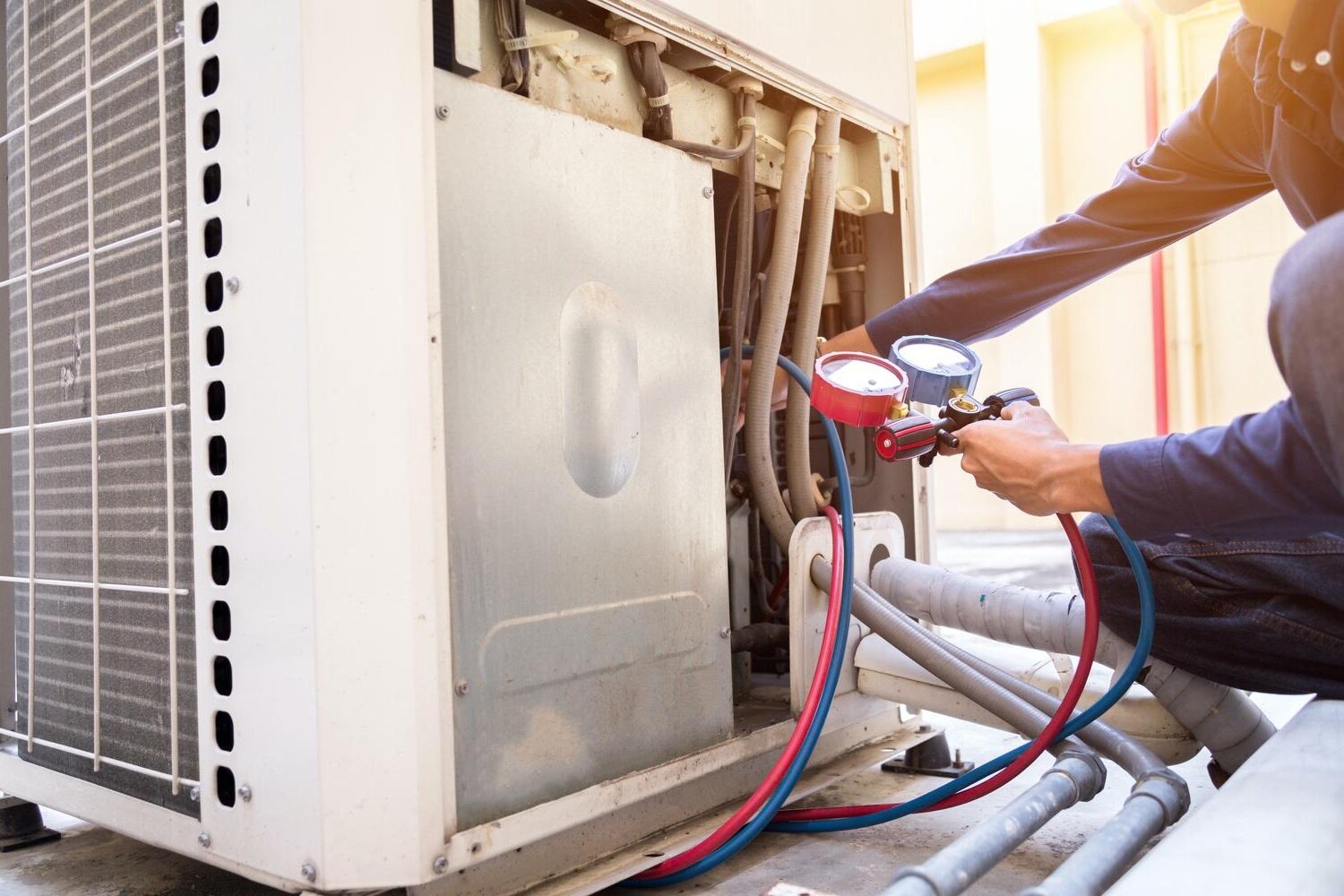
Examples from the field: I once audited a three-year-old installation where the contractor reused a coil from a different brand without checking manufacturers’ compatibility. The result was chronic underperformance and a shortened compressor life. Another time, a homeowner chose the cheapest bid and later paid more to have a duct technician seal leaks that were causing a 20 percent loss in cooling capacity.
Ask for on-site verification of refrigerant under load, airflow measurements, and a final walkthrough where the installer explains thermostat settings, filter access, and maintenance needs. Good technicians will demonstrate measurements rather than quoting theoretical numbers.
10) What maintenance and service plan should I sign up for? Regular maintenance preserves capacity and extends equipment life. A basic annual tune-up is the minimum: clean coils, check refrigerant, inspect electrical connections, and measure airflow. In Tucson, a spring tune-up before peak season prevents emergency calls, and a brief fall check can catch issues after heavy summer use.
Consider a service agreement that includes two seasonal visits, priority scheduling for emergency calls, and a labor discount on repairs. A plan that bundles filter delivery and checks every six months keeps your system running closer to its design performance. If you find yourself searching "AC Repair in Tucson" or "Emergency AC repair near me" during a heatwave, priority service through a maintenance contract often matters more than the small annual fee.
Practical trade-offs and edge cases There is rarely a single best answer. If your budget is tight but the ductwork is in good shape, replacing the condenser alone can be a pragmatic choice. If you have persistent hot spots or poor humidity control, prioritize a variable-speed blower and a properly sized system over the highest advertised SEER rating. For historic homes where ductwork is impractical, a high-quality ductless mini-split system may provide better zoned comfort and lower installation disruption.
Another edge case: small condos with limited outdoor space. In those situations the electrical service and local HOA rules often dictate equipment choices. Plan for additional coordination time with building management, and request written approval for equipment placement before the contractor mobilizes.

Money-saving tips that do not sacrifice performance Do not be enticed by a low up-front estimate that lacks detail. A transparent estimate that identifies needed repairs and optional upgrades usually proves cheaper over the life of the system. Here are a few practical moves that preserve budget without cutting corners: improve attic insulation and ventilation to reduce cooling load, add external shading to west-facing windows, and replace old thermostats with programmable or smart models that are properly configured. These measures lower the required capacity and operating hours, so you may afford a higher-efficiency system without stretching the budget.
Why local https://gunnernogj787.huicopper.com/how-a-local-hvac-company-near-me-can-improve-service-times-in-tucson experience matters Tucson has specific challenges: intense sun, dust, and unique building types. Contractors familiar with local conditions understand how to orient equipment, specify filters for dusty seasons, and plan service intervals. A company such as Plunkett Home Services and other established local firms know the permitting landscape and maintain parts inventory suited to our climate. Local technicians also show up faster for "AC Repair in Tucson" and emergency calls. When the temperature soars, proximity and availability can be nearly as important as price.
What to expect the day of installation On install day, the crew should arrive with a clear plan, protective shoe covers, and containment for dust when they access attics. Expect the work sequence to include removal of the old condenser, set and level of the new condenser pad, installation of the indoor coil and air handler or furnace modifications as needed, electrical hookup, refrigerant charging while measuring pressures and temperatures, and a thorough startup and performance check while the house is under load. The technicians should leave documentation: equipment serial numbers, refrigerant levels or weight charged, and operational settings. If anything is unclear, ask them to demonstrate the thermostat schedule and show you how to change filters.
Handling emergencies and repairs Even with preventive maintenance, systems fail. If you are searching "Emergency AC repair near me," verify the repair company is licensed for refrigerant work and carries parts or will return quickly with them. For safety, if a breaker trips repeatedly, or there is burning smell or smoke, disconnect power and call for emergency service. Otherwise, many failures in Tucson follow predictable patterns: compressor lock-up after long cycles, capacitor failure due to heat stress, or restricted airflow from dirty filters and ducts.
Final advice on warranties and paperwork Read the fine print. Manufacturer warranties often require registration within a set period and routine maintenance to remain valid. Keep invoices and maintenance records; they are useful for warranty claims and increase resale value. Also verify the labor warranty from the installing contractor; parts warranties are standard, but labor coverage is where many homeowners are surprised later.
If you want direct help If you prefer working with a team who knows Tucson well, look for a contractor that provides written load calculations, a clear equipment match, and local references. Companies with local offices handle "HVAC repair" calls more quickly than national chains. If you search online, try queries like "HVAC contractor Tucson" or "HVAC Service Near Me" and then vet prospects with the checklist above.

Making a confident decision A good install begins with a clear scope, manual load calculations, and an honest conversation about budget and how long you plan to stay in the home. The right contractor will educate rather than sell a particular brand, will provide a detailed written estimate, and will stand behind their work with a labor warranty. Investing a little time up front saves money and stress later. When temperatures climb, you will appreciate having made choices based on measurements and experience rather than advertisements or a quick, cheap quote.
Questions? If you want help comparing estimates or interpreting a Manual J, bring the written quotes and equipment specs. I can walk you through what to look for and where hidden costs might appear so you pick the option that keeps your family comfortable without surprises.
Plunkett Home Services
3144 E Fort Lowell Rd, Tucson, AZ 85716, United States
+1 (520) 808-2743
[email protected]
https://callplunkett.com/