Summer in Tucson does not negotiate. Temperatures climb, humidity can flare after a monsoon, and a failed air conditioner moves from inconvenience to health risk in a matter of hours. I’ve been fielding emergency calls for years, so I will tell you candidly what actually works when your cooling stops and you need "emergency AC repair near me" fast. This guide walks through what to do the moment your system fails, how a reputable HVAC contractor evaluates and responds, and how Plunkett Home Services approaches emergency calls so you can make the best choice for your home and your family.
Why quick action matters
A nonfunctional AC on a 100 degree day becomes more than discomfort. Babies, older adults, and people with chronic conditions are vulnerable to heat-related illness within a few hours. Electronics, wood furniture, and even food can suffer when indoor temperatures spike and humidity climbs. Beyond health, rapid response reduces the risk of secondary damage: a clogged drain can overflow and ruin drywall, a frozen evaporator that melts improperly can flood a home, and a compressor left to run while short cycling can fail entirely, turning a repairable issue into a full system replacement.
Immediate steps to protect people and equipment
First, focus on safety and comfort. Second, gather information that will speed a technician’s diagnosis. Calm, quick measures can make a real difference. Here is a short, practical checklist you can use the minute you realize your AC is failing:
- check thermostat settings and replace batteries if the display is blank, then set to cooling at a reasonable temperature, like 76 degrees. inspect the outdoor unit for obvious problems, such as debris blocking airflow, tripped breakers, or ice on the refrigerant lines, and turn the unit off at the disconnect if you see ice. clear obstructions around vents and return grilles, then run fans and portable coolers to stabilize indoor temperatures while help is on the way. locate the model and serial number on the outdoor condenser or indoor air handler and take a quick phone photo to send to the technician. call your chosen HVAC company and describe the symptoms, what you tried, and any error codes or unusual noises.
Why each of these matters: thermostat settings eliminate user error, outdoor checks prevent short circuits or compressor damage, clearing vents improves airflow and reduces strain on the system, having model numbers speeds parts identification, and a descriptive call often diagnoses the problem before the truck arrives.
How a trustworthy "HVAC company near me" handles emergency calls

Not every HVAC service prioritizes the same things. In my experience, three qualities separate sound emergency response from reactive scrambling: a clear intake process, technicians with diagnostic depth, and a parts strategy that balances immediacy and long-term cost.
Intake process. A good HVAC Service Near Me starts the job on the phone. Expect the scheduler to ask about system age, symptoms, sounds, recent maintenance, and health concerns in the home. If the company does not ask these basic questions, you may pay for wasted callbacks. Plunkett Home Services, for example, asks for model numbers and photos, and for permission to send a text with arrival window updates. That small discipline reduces surprises and keeps you informed.
Diagnostic depth. A quick fix is not the same as a correct fix. Experienced technicians follow a workflow: verify the complaint, perform safe shutdown if needed, measure electrical and refrigerant parameters, inspect airflow, and test controls. There is judgment at each step. For instance, a noisy compressor might be a failing motor, or it could be undersized airflow causing slugging. The wrong assumption leads to replace-now spending rather than repair-now where appropriate.
Parts strategy. In emergencies you want a balance between speed and longevity. Replacing a capacitor or contactor from the truck inventory often solves the issue immediately for a couple hundred dollars. Replacing a failed compressor is heavier and sometimes avoidable if you can stabilize the system until a properly matched unit is sourced. Plunkett technicians keep common parts on hand and will explain the trade-offs: temporary part now vs waiting for the correct OEM component.
What technicians will check and why
When a technician arrives, they should methodically inspect both the indoor and outdoor sides of the system. Expect testing that includes voltage and amperage checks, refrigerant pressure readings, airflow measurements, thermostat calibration, and a visual inspection for leaks or wear. Each measurement traces back to a likely cause.
Voltage and amperage identify electrical faults. A compressor drawing high current hints at mechanical stress or failing windings. Low current suggests https://andresfxbz955.wpsuo.com/fast-solutions-for-common-ac-problems-in-tucson-homes-1 an open circuit. Refrigerant pressure paired with temperature readings reveals whether the system is low on charge, overcharged, or suffering from a restriction. Airflow checks find clogged filters, blocked returns, or failing blower motors. A properly performed diagnosis often reveals secondary issues you did not notice, like a borderline capacitor that survived the night but will fail under stress within weeks.
Examples from the field, lessons learned
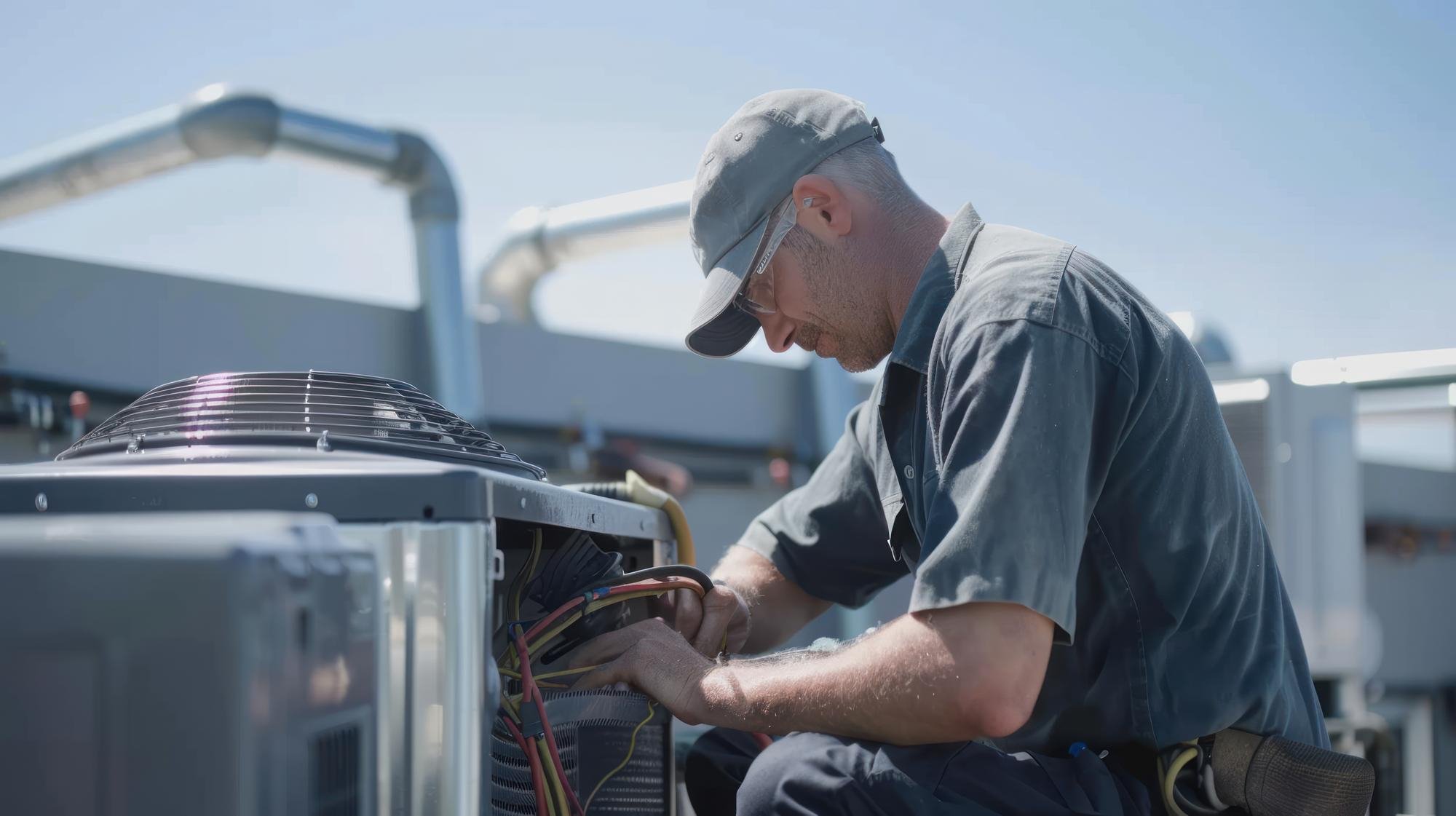
A homeowner called one humid July morning describing warm air and a buzzing sound. The technician arrived within two hours. The outdoor unit had full power, but the fan would not start because a small plastic spacer from landscaping had lodged into the fan hub. A simple removal and a capacitor check fixed the problem in under 30 minutes. Contrast that with another call where a frozen evaporator coil melted down for a week before the homeowner called. By then the compressor had suffered oil contamination and the repair bill climbed into the thousands. The difference was timing and attention. The first scenario was a quick trip; the second escalated because a small symptom was ignored.
Cost expectations and transparency
Emergency calls cost more than routine service, because the company must prioritize your job, often beyond regular hours, and the faster response increases staffing costs. Expect an emergency trip charge; rates vary but commonly range from an additional 20 to 100 percent above regular service calls depending on timing. A reputable HVAC contractor will provide an estimate for labor, parts, and options before performing nonessential work, and will explain why a repair is recommended over replacement.
Be wary of blanket recommendations without diagnostics. If a technician suggests a full system replacement during an emergency call without offering a temporary repair, ask for the measured data supporting that advice. A replacement is sometimes the right choice, especially for units older than 12 to 15 years with repeated failures. However, healthy skepticism is justified. Plunkett Home Services aims to present immediate triage followed by options with projected costs and expected lifespans.
When replacement is the right call
A replacement becomes the sensible path when repairs will cost a large fraction of a new unit’s value or when the system is inefficient to the point of causing high monthly bills. Age, refrigerant type, and compressor condition all matter. Many systems installed before the early 2010s use R-22, a refrigerant that is now expensive to service. If your unit uses R-22 and the compressor fails, it is often more economical to replace the entire system and switch to modern refrigerants. Similarly, if you have repeated compressor or coil failures, the cumulative cost and downtime argue for replacement.
Choosing a replacement should not be a one-size-fits-all decision. A technician must consider house size, insulation, duct condition, occupancy patterns, and future plans. Oversizing leads to short cycling and humidity problems, while undersizing leaves the home uncomfortably warm. A proper load calculation, not a rule of thumb, determines the right equipment.
How to evaluate "AC Repair in Tucson" options quickly
When you search for "AC Repair in Tucson" or "HVAC contractor" at 8 p.m. On a weekend, you need signals that separate competent teams from opportunists. First, look for transparent service terms: clear emergency fees, warranty coverage, and licensing information. Second, find companies that document the work with photos and measurements. Third, read for recurring themes in reviews, not isolated praise. If several customers mention prompt response, fair pricing, and effective fixes, that pattern matters.
Call and listen to the first 30 seconds. A professional scheduler will ask you for symptoms and system information, and will be honest about how soon a technician can arrive. If the dispatcher is evasive, promises immediate arrival without a window, or refuses to provide a written trip charge, slow down. A legitimate HVAC Service Near Me will respect your home, ask about access, and ask if there are occupants with medical needs to prioritize the call appropriately.
Preparing for the technician and what to expect during the visit
A little preparation at home shortens repair time. Clear 3 to 4 feet around outdoor units and ensure the technician can access the indoor air handler. Have pets secured, because dogs and cats can become anxious around service trucks and equipment. Keep your model numbers handy and be ready to discuss any recent maintenance history.

During the visit, expect the technician to walk you through findings, show you fault points, and present options. Good technicians will explain trade-offs: a cheap part that will fail again vs a slightly more expensive replacement with a longer warranty. They should also discuss preventive measures to reduce future emergency calls: regular filter changes, annual tune-ups, and basic homeowner checks.
Warranty, guarantees, and following up
Ask about parts and labor warranties before the work begins. Many companies offer 30 to 90 day workmanship guarantees on emergency repairs, with longer manufacturer warranties on parts. Write down warranty terms and keep the invoice. If the repair does not hold, call back immediately and expect the company to stand behind its work. A reliable HVAC contractor keeps service records and will schedule follow-ups when needed.
Prevention beats emergency calls
Most emergency AC repairs are avoidable with regular maintenance and a little attention. Annual tune-ups that include cleaning coils, checking refrigerant levels, testing capacitors, and verifying thermostat accuracy catch slow failures before they become crises. Filters changed every 1 to 3 months depending on household conditions improve airflow and reduce blower strain. Duct inspections every few years prevent leaks that force the system to work harder.
If you live in a dusty area, plan more frequent filter checks. If you have pets, raise the frequency. For homes older than 20 years, add a duct and insulation inspection to ensure the system is supporting the envelope rather than compensating for it.
When to call for emergency AC repair, and when to wait
Not every malfunction requires a rushed emergency call. If your system simply cycles a little more than usual, or if the air is slightly warmer but stable, you can schedule the earliest available appointment the next business day. Immediate calls are warranted when indoor temperatures rise quickly, occupants are at risk, the unit is making loud grinding noises, smoke or burning smells appear, or there is visible refrigerant leakage or water pooling.
I once arrived at a call where a homeowner had let the system run for 48 hours with the evaporator heavily iced. By then, the compressor was ruined and the cost ballooned. Had they shut the system and called immediately, the compressor might have been spared. Use judgment and err on the side of early contact if you notice rapid changes or unsafe conditions.
How Plunkett Home Services structures emergency response
Plunkett Home Services treats emergency repairs as triage first, then as diagnosis. That means an initial visit aims to restore safe, functional cooling quickly if possible, and then outline a measured plan to address root causes. Technicians arrive stocked with common parts, testing equipment, and a tablet to document readings and images. Communication is prioritized: arrival windows, written estimates, and explained options. For homes with recurring problems, Plunkett recommends a service plan that includes priority scheduling and discounts on parts, reducing both response time and overall cost.
Questions to ask when comparing quotes
When you receive a quote, ask these targeted questions: What parts specifically are being replaced? Are replacements OEM or aftermarket? What are the labor and parts warranties? Is there a diagnosis fee if I decline repairs? What are the projected energy impacts of the repair vs replacement? Answers to these questions reveal whether a contractor is thinking short term or long term. Also ask about timeline. If a necessary part must be ordered, how long will it take and what interim measures can reduce risk?
Final thought, practical next steps
If you have not created a plan for emergency HVAC service, do it now before the next heat wave: identify two reputable local contractors, save their numbers with "HVAC emergency" in your phone, and note your system model. Commit to annual maintenance and keep basic supplies such as replacement filters and a working fan. When the moment comes, you will act calmly and with information, and your chosen HVAC contractor will work with you to resolve the problem efficiently and responsibly.
Finding prompt, competent "emergency AC repair near me" is possible, and with a few smart habits you can reduce the chance of a true emergency. Plunkett Home Services emphasizes transparency, practical diagnostics, and follow-through. When your system breaks, prioritize the health and safety of your household, gather the right information, and choose a contractor who explains the why behind recommendations. Quick action and informed choices keep homes cool, safe, and less expensive to maintain over time.
Plunkett Home Services
3144 E Fort Lowell Rd, Tucson, AZ 85716, United States
+1 (520) 808-2743
[email protected]
https://callplunkett.com/