A hot Tucson afternoon exposes every shortcut in an HVAC company's process. When an air conditioner gives out, homeowners want two things: a working system and a bill that makes sense. Plunkett Home Services has built its reputation by treating estimates as a central part of the repair experience, not an afterthought. This article walks through how they deliver transparency, the decisions that create cost variability, and what you should expect when you search for "HVAC company near me" or "AC repair in Tucson".
Why clarity matters here Tucson's climate makes AC essential. A failing compressor or leaking refrigerant is more than an inconvenience, it can be a household emergency that risks food, health, and comfort. That urgency creates pressure on homeowners and opens the door to vague estimates or hidden fees. Clear, trustworthy estimates reduce stress and help people make decisions that match their budget and the lifespan of their equipment.
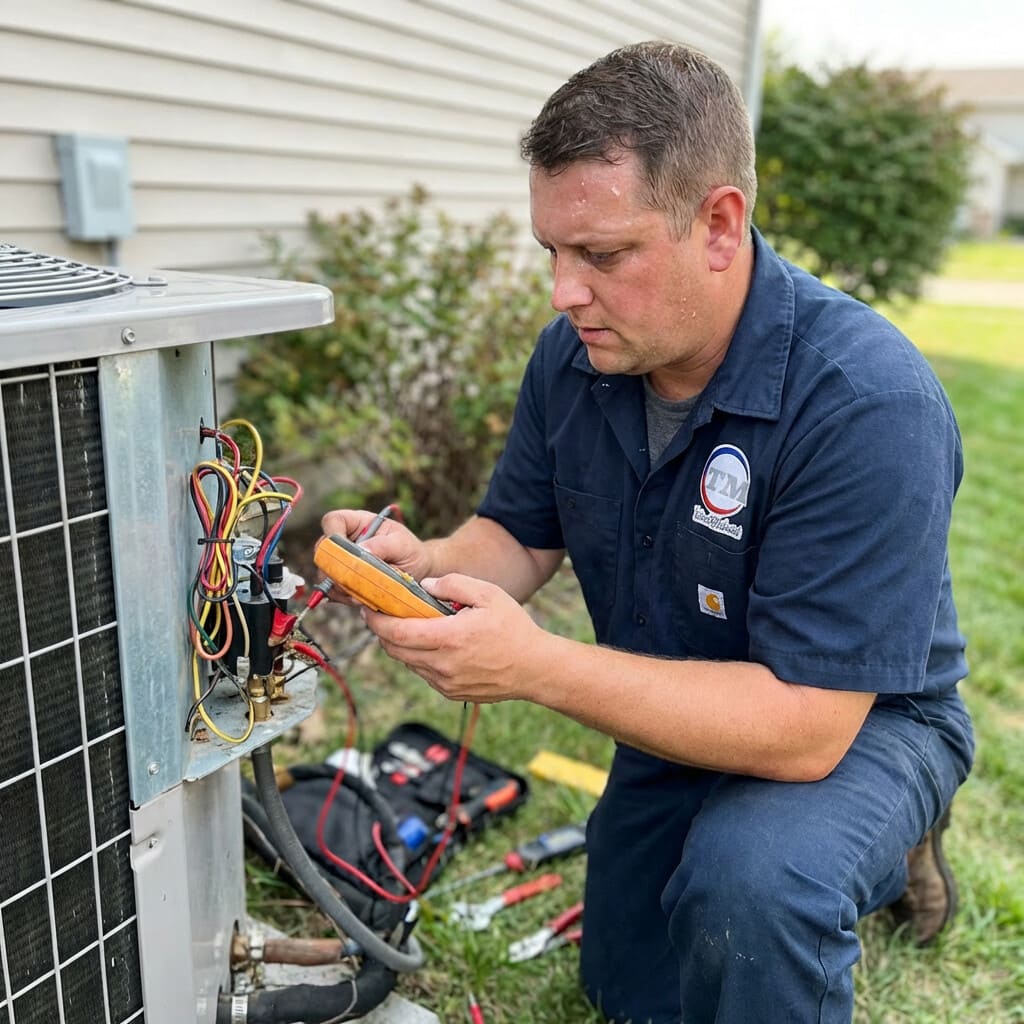
How Plunkett approaches an estimate When Plunkett Home Services responds to a service call, they follow a predictable but flexible process that emphasizes diagnosis, options, and documentation. The first visit is diagnostic, not sales-first. A technician arrives with tools and measuring instruments, ready to gather facts: static pressures, suction and discharge temperatures, amperage draws, visible ductwork condition, filter status, and the age and model of the equipment.
The technician documents findings with photos and notes. That evidence serves two purposes. It anchors the estimate in observable problems, and it creates a reference if the homeowner chooses a future repair or replacement. Photographs of corroded coils, shrunk refrigerant lines, or burnt wiring make it easier to explain the scope and avoid "trust me" conversations.
Breaking down the numbers A transparent estimate separates labor, parts, diagnostic fees, and permits when required. For example, replacing a capacitor and contactor on a 10-year-old condensing unit will show a modest parts cost, a clear labor charge typically expressed in hours, and any travel or disposal fees. If the technician finds the compressor failing and recommends replacement, the estimate will include a comparative quote for repair versus full system replacement, with approximate payback timelines.
A realistic example: a mid-range compressor failure on a 3-ton, 10 SEER unit commonly shows these elements in Tucson market conditions
- parts: $900 to $1,400 depending on brand and availability labor: two to four hours, often quoted as a fixed amount or hourly rate refrigerant top-off: if needed, pricing varies by type; R-410A is different than older refrigerants permit: if a city or jurisdiction requires it, typically $50 to $200
Those figures are examples grounded in local experience, not hard quotes. Actual numbers vary by model, warranty, and market supply. The point is that Plunkett lays out ranges, explains what drives the variance, and flags when a part needs special ordering that extends lead times.
Why options matter: repair, patch, or replace Every failed component comes with choices. Sometimes a repair extends life for a season, which is reasonable if the rest of the system is healthy and the homeowner plans a replacement on a timetable. Other times, especially with systems older than 10 to 12 years or when efficiency is notably low, replacement offers better long-term value.
Plunkett frames those choices with context. They show the estimated remaining lifespan after repair, expected efficiency differences, and the typical cost per year of continued repairs versus replacement. For example, repairing a small leak and recharging refrigerant in a 15-year-old system might cost $400 this year and another $600 within two years, while replacement could cost $5,000 to $7,000 but cut operating costs by 20 percent and reduce future service calls.
Transparent estimates also include the downside risks. A patch repair can fail sooner than expected, or a part on backorder can prolong discomfort. Technicians explain those risks and, when practical, offer temporary solutions to keep a home safe while waiting for ordered parts.
Communicating labor and warranty terms One common source of confusion is labor pricing and warranty coverage. Plunkett distinguishes between parts warranty, labor warranty, and workmanship guarantees. Parts often carry manufacturer warranties that vary by component. Labor warranties are typically company-issued and cover installation errors for a specified period, often 30 to 365 days depending on the work.
A clear estimate lists the warranty terms alongside each major line item and explains what voids coverage. For example, replacing a compressor under warranty might require that the rest of the refrigerant system be compatible and that filter maintenance be current. If prior neglect contributed to failure, the company will document that and clarify what is covered.
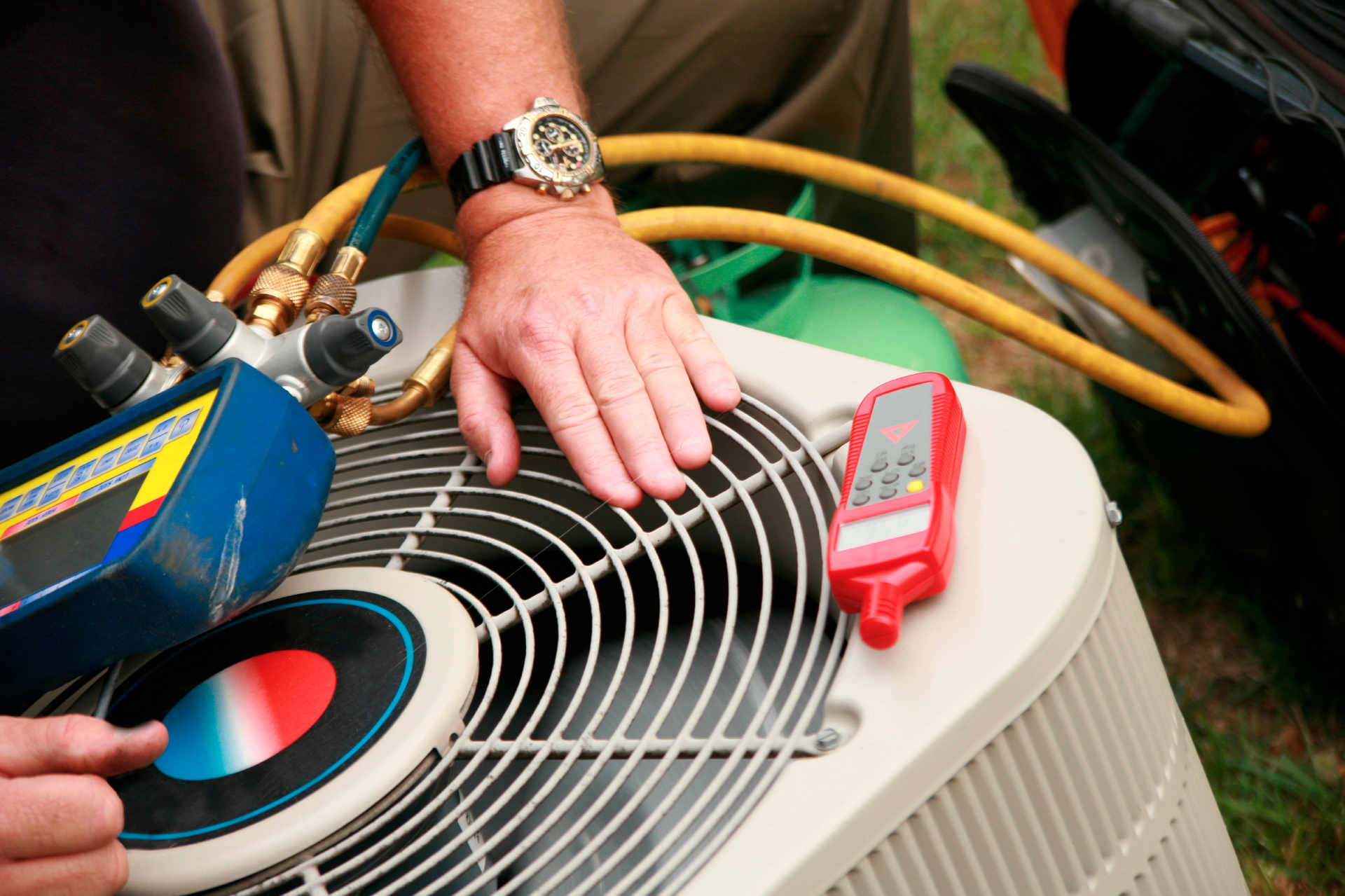
How emergency calls are handled Searches like "Emergency AC repair near me" are common during heat waves. Emergency work usually involves higher response costs: after-hours labor, expedited parts procurement, and logistic premiums. Plunkett clearly states when an estimate includes an emergency surcharge and offers alternatives when possible, such as temporary fixes to stabilize a system until normal business hours when costs are lower.
An anecdote: a family called in the evening with temperatures above 100 degrees and a dead compressor. Plunkett's technician arrived within an hour, diagnosed a catastrophic compressor failure, and presented two choices: an emergency compressor replacement at a higher rate that would restore comfort that night, or a temporary method to run fans and provide partial cooling until morning when a full replacement could be scheduled at standard rates. The family chose the latter, saving several hundred dollars while avoiding extended exposure to heat.
How parts sourcing and inventory affect estimates Plunkett maintains relationships with local and regional suppliers. Those relationships influence estimate accuracy in two ways. First, they shorten lead times for common parts and allow the company to give firm prices for those items. Second, they reveal when costs are volatile. During supply-chain disruptions or seasonal demand spikes, parts prices and availability can change quickly. Technicians note these uncertainties on estimates and offer alternatives when appropriate, such as using a compatible aftermarket part with comparable warranty rather than waiting weeks for an OEM component.
A homeowner should expect estimates to mark parts that need ordering and to provide a realistic delivery window. When a part is expensive or rare, the estimate will include a cancellation or restocking policy so there are no surprises.
Itemized versus bundled estimates Some companies give a single line price that bundles everything together. That can be convenient, but it hampers comparison shopping and obscures what you're actually paying for. Plunkett favors itemized estimates for complex jobs and clearly labeled bundled quotes for service plans or simple repairs where itemization would add confusion.
Itemized estimates make it easy to see where money goes: the cost of a blower motor, the labor to remove and replace it, and any additional materials such as new capacitors or wiring. Bundled estimates https://franciscocwnf807.tearosediner.net/smart-thermostats-and-hvac-service-near-me-upgrade-guide-for-tucson are suitable for flat-rate tasks like routine maintenance visits. The technician will clarify which format you are receiving and why.
Financing and payment flexibility Major repairs or replacements are often large expenses. Plunkett presents financing options when appropriate and explains the true cost of financed work: interest rates, term lengths, and monthly payments. They avoid burying finance fees in the estimate and show the total cost over time, which helps homeowners weigh whether a repair now or a replacement with financing makes better sense.
Documenting the decision process One practice that builds trust is documenting the decision-making conversation. Plunkett provides homeowners with a written and digital copy of the estimate, along with photographs, diagnostic readouts, and a timeline of recommended next steps. That documentation is useful for comparing bids from other "HVAC contractor" results and for future service needs.
When multiple quotes are requested, homeowners benefit from consistent documentation because it reduces the opportunity for miscommunication. If another contractor quotes a lower price, the homeowner can compare line items, warranties, and parts brand to understand the difference.
How Plunkett trains technicians to communicate Transparency depends on people. Plunkett invests in training technicians not only on technical skill, but on how to explain complex issues in plain language. A technician's job includes translating measurements into plain terms and recommending options that fit the homeowner's goals. They discourage scripts and encourage real explanations: why a capacitor failed, how a dirty evaporator coil reduces efficiency by a quantifiable percentage, and what maintenance steps the homeowner can take to extend system life.
The human factor matters because homeowners often make choices based on trust as much as on price. Clear explanations build that trust. Good technicians expect questions and provide short, tangible examples, such as "changing this filter monthly will reduce strain and can lower the chance of a motor failure this year."
When estimates are revised Field work evolves. A job can reveal hidden issues: corroded mounting hardware, undocumented ductwork damage, or compromised insulation. Plunkett informs customers before making changes that alter the estimate. If a technician discovers a need for additional parts mid-job, they pause, explain, and get verbal or written approval before proceeding. This practice prevents surprise final invoices and preserves the original estimate as a baseline.
A simple checklist for homeowners before accepting an estimate
- verify itemization: parts, labor, permits, and fees are listed ask about warranty specifics for both parts and labor request photographs or diagnostic readouts used to create the estimate confirm availability and lead time for any ordered parts clarify emergency or after-hours charge policies
How to use estimates to choose an HVAC company near you When comparing "HVAC service near me" or "AC repair in Tucson" options, use estimates as a tool, not a singular metric. A very low price may omit important parts or use lower-quality components. A significantly higher price should be justifiable with better parts, longer warranties, or superior labor standards. Look for an HVAC contractor who offers clear documentation, a transparent breakdown, and training in communication. Plunkett emphasizes those qualities, aiming to make the decision process educational rather than confrontational.
Final practical advice for Tucson homeowners In Tucson, heat-related failures show seasonal patterns. Avoid scheduling major replacements at the peak of summer when demand spikes. Regular preventive maintenance reduces the chance of emergency calls and makes estimates for repairs simpler and cheaper because technicians address small problems before they compound. Keep an owner's file with past estimates and warranties. When a technician from Plunkett or another company visits, having that file handy shortens diagnosis time and improves estimate accuracy.
Transparent estimates are a discipline that requires honest diagnostics, clear communication, and comprehensive documentation. Plunkett Home Services treats estimating as a core part of service, not as a formality. When you call for AC repair in Tucson or search for "Emergency AC repair near me", insist on an itemized, documented estimate with options and warranties explained. Doing so will save time, avoid surprises, and lead to choices that protect comfort and household budgets.
Plunkett Home Services
3144 E Fort Lowell Rd, Tucson, AZ 85716, United States
+1 (520) 808-2743
[email protected]
https://callplunkett.com/