The week after a Tucson heatwave feels different. Temperatures have dropped slightly, but the city is full of stories about cracked compressors, tripped breakers, and sweating rooms that never really cooled. When you open your thermostat and nothing happens, or you hear strange noises from the attic, what matters is not panic but the next call you make. This is how to find dependable HVAC repair in Tucson, how to judge the contractor who knocks on your door, and how to avoid common scams that prey on stressed homeowners.
Why this matters Heat in Tucson is not an inconvenience, it is a health and safety issue. A failing air conditioner can raise indoor temperatures quickly, stress vulnerable family members, and cause secondary damage like humidity-related mold. Getting the right HVAC contractor on site matters for comfort, safety, and the longevity of your system.
How heatwaves change the service landscape After extended heat, a small problem becomes a big one. Capacitors, contactors, and motors are the components that tend to fail first because they have been running continuously at high load. Filters that were overdue become clogged more quickly, and refrigerant leaks that were slow to affect performance suddenly cause total shutdown when outdoor ambient temperature is extreme. Those realities mean two things for a homeowner looking for AC repair in Tucson.
First, demand spikes and so does the chance you'll encounter an inexperienced technician who traveled from out of town to chase work. Second, some reputable local businesses become very busy and may prioritize emergency calls or customers with maintenance contracts. Both situations require you to be prepared and discerning.
What to ask before you call a contractor A short, clear set of questions saves time and weeds out poor options. When you search "HVAC company near me" or "HVAC Service Near Me," use these conversation points before you invite anyone into your home.
- Ask whether they are licensed and insured in Arizona. Licensing indicates the contractor has passed exams and carries required coverage for liability and workers compensation. Insurance protects you if something goes wrong on site. Ask what training and certifications their technicians carry. NATE certification or manufacturer training on your specific brand is a plus. Ask if they offer emergency service and what their typical response window is. After a heatwave, "same-day" can mean different things depending on workload; ask for an estimated arrival time. Ask whether they perform a diagnostic before suggesting replacement. A reputable HVAC contractor will explain the root cause and present options rather than pushing a sale. Ask for a written estimate and a clear warranty on parts and labor. Oral promises rarely protect you later.
If you hear evasiveness, vague answers, or pressure to buy immediately, that is a red flag. A good technician respects that you need to weigh options and will show you the evidence, such as photos of damaged parts, pressure readings, and electrical test results.
Signs of honest work versus quick fixes I run through dozens of service calls each season, and patterns emerge. Honest troubleshooting looks systematic. The technician checks the air filter, measures voltages and refrigerant pressures, verifies airflow, and inspects outside components like the condenser fan and coils. They keep a log of tests and explain what each means.
By contrast, quick fixes are one-size-fits-all. If the answer is "we'll just add refrigerant" without any mention of leak detection, treat that as dubious. Refrigerant should not be a band-aid for a leak or a failing compressor. Similarly, if a tech tries to sell a full replacement before performing diagnostics, ask for the data that justifies replacement. Replacement is sometimes the right call, especially for units older than 12 to 15 years, but it should be based on measured efficiency, repair cost versus remaining life, and your comfort needs.
Emergency AC repair near me: when to use it There are moments when waiting is not an option. If indoor temperatures are rising rapidly and someone in the household is elderly, very young, or has a medical condition affected by heat, seek emergency AC repair near me right away. Use emergency service if the outdoor unit is smoking, burning, or you smell electrical burning. Otherwise, a same-day diagnostic is usually sufficient.
Expect higher rates for emergency calls. After a heatwave, surcharge fees are common, and technicians might be working long hours. Balance haste with prudence: an emergency fee is reasonable when safety is at stake, but be wary of outrageous markups. Request a basic price estimate on the phone and confirm any after-hours charges.
Comparing bids for AC Repair in Tucson When you receive two or three written bids for AC repair in Tucson, it is tempting to pick the cheapest. Price only tells one part of the story. Consider these practical factors.
- scope of work and itemization: does the bid list parts, labor hours, and brand names? warranties: what are the terms on parts and labor? parts quality: are they offering OEM parts, OEM-equivalent, or used components? timeline: when can the work start and how long will it take? removal and disposal: will the company remove old equipment and dispose of refrigerant legally?
A low bid that lacks detail often hides contingencies that will raise the final price. A mid-range bid from a properly licensed HVAC contractor that includes clear fees and a two-year labor warranty is usually better value.
When replacement is the right choice Repair makes sense when the cost is a small fraction of the unit's value and you expect several more years of reliable operation. Replacement becomes attractive when the system is older than about 12 to 15 years, refrigerant type is phased out, or repairs exceed roughly half the cost of a new, efficient system. When you consider Ac installation in Tucson, also account for installation quality. A cheap unit installed poorly will waste energy and fail sooner.
Upgrading to a higher efficiency system pays off over time in lower utility bills, but the payback timeline depends on electricity rates and your usage. For many Tucson homeowners, replacing a failing 12 SEER unit with a proper 16 SEER or higher system reduces cooling costs noticeably, particularly during long summers.
Anecdote about a common post-heatwave repair A friend of mine called me one September evening because her upstairs bedroom would not cool. The technician she had used previously simply replaced a capacitor and left. The capacitor fix worked for a week and then the same bedroom warmed up again. A second technician ran a full diagnostic and found a dirty evaporator coil and a weak blower motor. The temporary fix had masked an underlying airflow problem. The right fix required cleaning the coil, replacing the blower motor, and balancing airflow. The house was comfortable again and the owner avoided repeated service calls.
That story captures two lessons. First, quick components fixes can be economical if they address the real problem, but they often do not. Second, a thorough diagnostic may cost more up front but saves money and frustration by preventing repeat trips.
Finding a local name you can trust Local businesses understand Tucson microclimates and common installation pitfalls like undersized ducts, leaky connections, and the need for adequate shade for outdoor condensers. When you search "HVAC company near me," look for companies with local presence, a physical address, and a track record of service in your neighborhood. Local companies https://angelovusv943.theglensecret.com/how-to-lower-cooling-bills-after-ac-installation-in-tucson are more likely to honor warranties and return for follow-up adjustments.
Plunkett Home Services is a name you'll encounter among established Tucson providers. They offer AC repair in Tucson and related services. If you consider any specific company, check the Better Business Bureau, local review sites, and ask neighbors. Personal references still matter. A neighbor who watched the technician arrive on time, complete the work neatly, and explain the repair provides more reliable evidence than anonymous reviews.
Red flags and common scams After heatwaves, bad actors become more active. Common scams include charging to "clean" the system with no evidence of cleaning, claiming refrigerant is low and charging without leak detection, or pressuring for immediate replacement with a high premium.
Beware of anyone who insists you must sign a large contract on the spot or who cannot produce proof of insurance and licensing. Do not agree to expensive add-ons without documentation or a clear explanation of their necessity. If refrigerant is added, ask to see pressure and temperature readings and insist on a written report. If you feel pressured, pause and call another reputable provider for a second opinion.
Maintenance that prevents post-heatwave failures Preventive maintenance reduces the chance your system will fail when you need it most. A standard maintenance visit includes filter inspection and replacement, evaporator and condenser coil cleaning, measurement of superheat and subcooling, verification of thermostatic expansion valve operation if present, blower motor inspection, and electrical component testing.
For Tucson, schedule maintenance in late spring before the heavy cooling season. If you skipped maintenance this year and then suffered a failure in a heatwave, arrange for a thorough tune-up once repairs are complete. Maintenance visits are often far cheaper than an emergency compressor replacement.
What a good diagnostic report looks like Insist on receiving a diagnostic report that includes these elements. This is a useful checklist to keep in mind when you work with any HVAC Service Near Me.
- a narrative of the symptoms and what the technician observed measured values, not just conclusions. For example, line voltage, amp draw, refrigerant pressures, and air temperature split photographs of damaged equipment or clogged components when relevant a description of options: repair, repair with caveats, or replacement, plus estimated costs and expected lifespan after the work warranty terms and recommended next steps
Documentation protects you and helps future technicians understand prior work.
DIY fixes that are worth doing Some simple checks save you a service call or at least make the technician's job quicker. Confirm the thermostat has fresh batteries if it is battery powered, check that circuit breakers have not tripped, and verify that air filters are clean. If the outdoor unit is surrounded by debris or blocked by vegetation, clear a two-foot clearance for airflow. These are not replacements for professional service but they remove easy causes of poor performance.
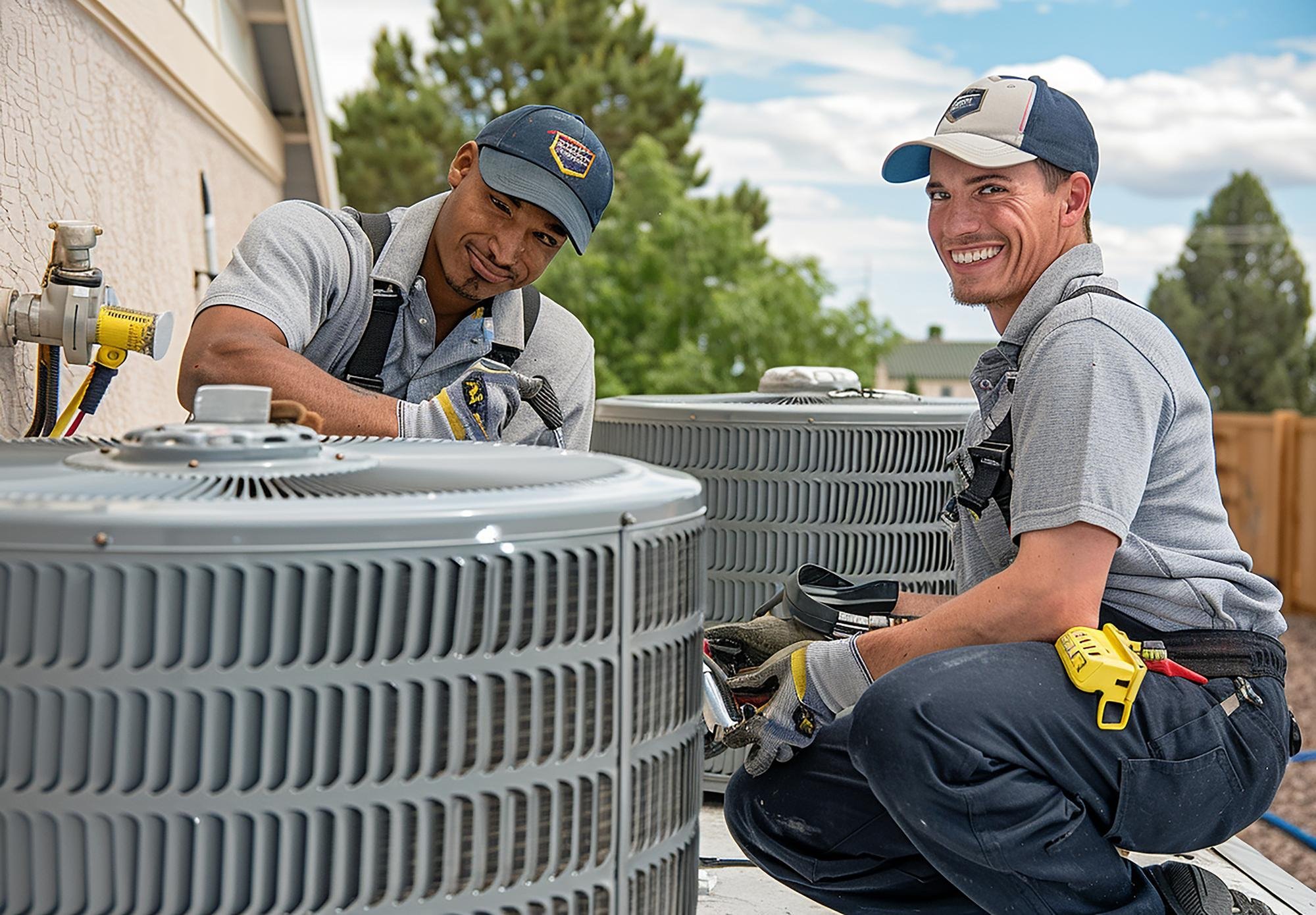
When to call in specialized help If you suspect a refrigerant leak, electrical burning smell, or if the compressor is noisy or makes grinding sounds, call a professional. These conditions are beyond safe do-it-yourself fixes. Also, if the system repeatedly trips breakers, a trained electrician- HVAC technician team should investigate wiring and potential short circuits.
Negotiating price and warranty Most companies are willing to discuss parts brands and warranty extensions. Ask for a breakdown showing the cost of the equipment, labor, and any subcontracted work. If the quoted labor warranty is short, ask if it can be extended with a service contract. Be wary of freebies like "free maintenance for life" without clear terms; get everything in writing.
Choosing an installer for Ac installation in Tucson When replacing a system, selection of the installer matters more than the brand of the equipment. Proper sizing, duct work integrity, and refrigerant charge are the biggest determinants of performance. A reputable installer will conduct a Manual J load calculation to size the system and will measure airflow and refrigerant charge during startup.
If ductwork is undersized or leaky, the efficiency gains of a new system will be muted. Consider duct sealing and insulation as part of the installation scope when applicable. Ask the installer about commissioning procedures and whether they will return for post-install adjustments once the system has run for a few days.
Preparing for arrival and what to expect on site Make the work area accessible and remove obstacles around the indoor and outdoor units. Expect a technician to monopolize about one to three hours for a typical repair, longer for major replacements. They should wear shoe covers indoors, work neatly, and clean up afterward. If the tech works in stages, ask for a timeline and interim measures that preserve comfort while the work continues.
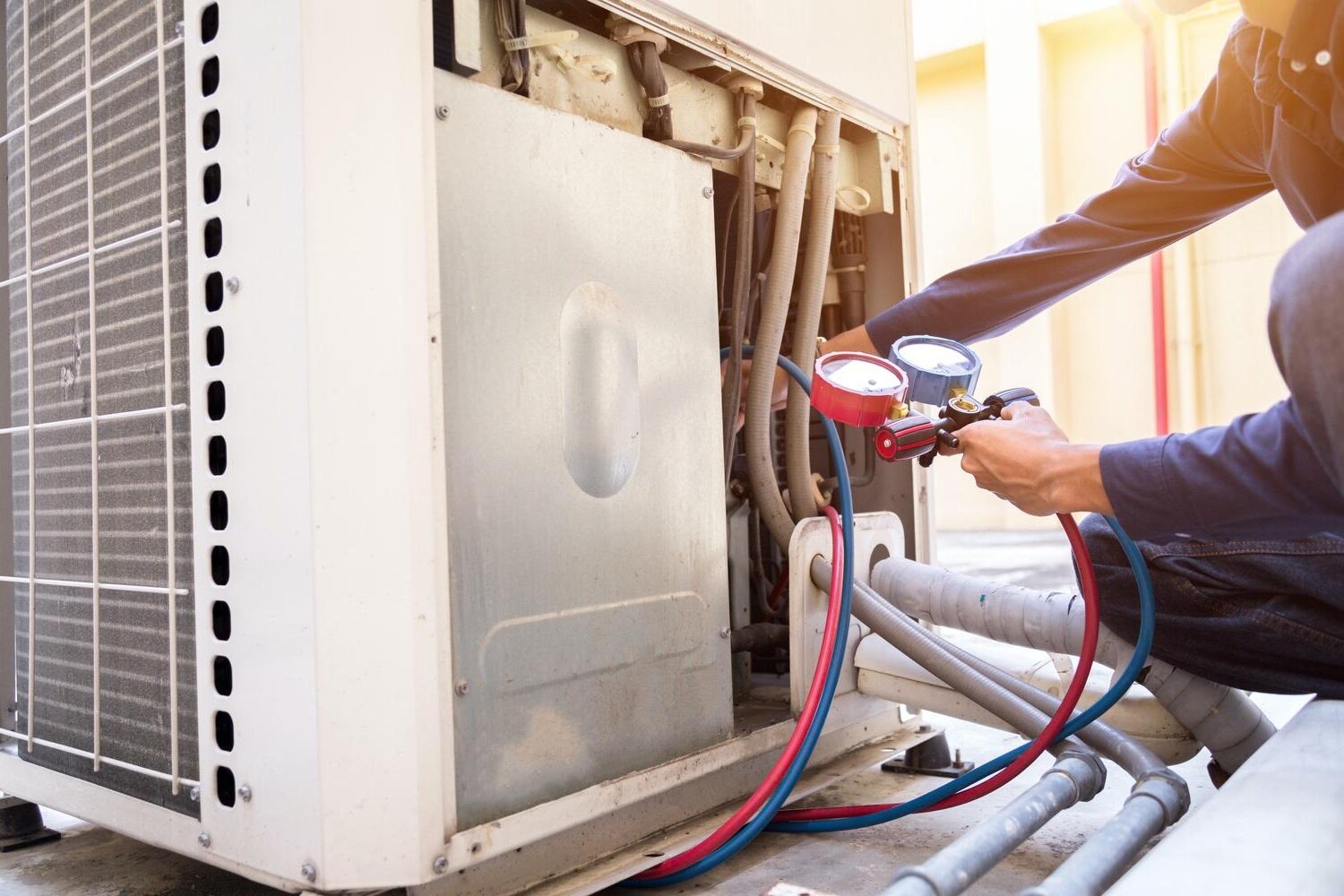
When to escalate complaints If you feel a job was not completed properly, contact the contractor immediately and request a return visit. If the company does not respond satisfactorily, keep copies of invoices, photos, and any correspondence, and file a complaint with the Arizona Registrar of Contractors or the Better Business Bureau. Local homeowner's associations sometimes mediate disputes as well.
Final thought about timing and choices After a heatwave your decisions have ripple effects. A quick band-aid may restore immediate comfort, but a careful repair with proper diagnostics protects your system and your pocket over the next seasons. Conversely, delaying necessary replacement can result in higher electricity bills and more frequent breakdowns. Balance short-term needs with long-term value, ask the right questions when you search for HVAC repair in Tucson, and choose an HVAC contractor who explains trade-offs and stands behind their work.
When the house is finally cool again, you will have peace of mind because you chose a provider that offers transparent diagnostics, clear pricing, and honest warranties. That kind of reliability is worth seeking out when you type "Emergency AC repair near me" or "HVAC Service Near Me" after the next heat event.
Plunkett Home Services
3144 E Fort Lowell Rd, Tucson, AZ 85716, United States
+1 (520) 808-2743
[email protected]
https://callplunkett.com/