Heat in Tucson is not theoretical. It arrives early, lingers late, and tests every piece of equipment you depend on. When your air conditioner falters, the first question is rarely technical — it is financial. Will the repair be covered? Who pays for the part, who pays for the labor, and what small omission on your part could void coverage entirely? This article walks through the warranty landscape for AC repair in Tucson so you can make informed choices, avoid surprises, and keep your home comfortable without paying for mistakes others could have prevented.
Why warranties matter more in Tucson A warranty is often the difference between a minor annoyance and a major expense. A midrange central AC compressor replacement or a complete outdoor condensing unit swap can run into thousands of dollars. In Tucson, frequent cycles, dusty conditions, and extended summer seasons mean systems tend to age faster than in milder climates. That accelerates wear on coils, fan motors, and lubricated components. Knowing what your warranty covers, what it excludes, and how to preserve it can save you real money, not just paperwork headaches.
Common types of warranties you'll encounter Manufacturer limited warranty. This is the baseline protection built into most new systems. It usually covers defects in materials and workmanship for specified parts, commonly 5 to 10 years for major components like the compressor. Labor is often excluded or limited unless the unit was registered or upgraded with a labor warranty.
Labor or installation warranty. Some manufacturers or dealers offer labor coverage for the first year or two after installation. Independent HVAC contractors may include a separate labor warranty that covers diagnosis, repairs, and part installation for a set period. Always confirm whether labor coverage is transferable if you sell your home.
Extended warranties. Dealers and third-party providers sell extensions that cover parts and sometimes labor beyond the standard period. These can be worthwhile when the extended coverage cost is reasonable relative to potential repairs, but read the fine print carefully for prorated payouts and exclusions.
Parts-only versus parts and labor. Many warranties are parts-only, meaning you get the replacement component at no cost but still pay the technician's call fee and labor. That can still save money, but labor on a compressor or coil swap can be significant, especially if the technician must navigate a difficult install or work around custom ducting.
Prorated warranties. Some manufacturer warranties reduce the payout over time. For example, the warranty may cover 100 percent of the part in years one and two, then drop to 50 percent by year seven. Prorated coverage can leave you paying the balance, which gets expensive for high-cost components.
What is typically covered and what is not Most warranties cover manufacturing defects and early failures tied to faulty parts. Compressors, control boards, and refrigeration circuit components commonly fall under that umbrella, subject to the warranty term. What frequently falls outside warranty coverage are failures linked to:
- poor or improper installation, lack of routine maintenance, environmental damage such as saltwater corrosion or extreme dust abrasion where the unit was not designed for it, unauthorized repairs or use of non-approved parts, modifications to the system, including refrigerant conversions or capacity changes.
An example from the field: a homeowner calls after their unit loses cooling. The compressor appears dead. The manufacturer confirms the compressor is within the part warranty, but the warranty claim is denied because the evaporator coil showed severe corrosion from a blocked UV drain and improper coil protection that the installer failed to provide. The repair falls to the homeowner.
Maintaining warranty eligibility: the maintenance story One of the most common warranty pitfalls is failing to keep up with required maintenance. Warranties often stipulate that the homeowner must follow the manufacturer's maintenance schedule, which typically includes:
- annual or semiannual professional inspections and tune ups, regular filter replacement, coil cleaning, condensate line checks.
Manufacturers expect records. A handwritten receipt from a certified HVAC contractor counts far more than a vague memory. Keep dated invoices, service agreements, and filter purchase receipts. If you end up in a warranty dispute, documented maintenance performed by a licensed HVAC contractor is your strongest evidence.
Who does the warranty apply to Some warranties are transferable to the next homeowner, others are not. Transferability may also change the scope of coverage. A unit purchased for a new construction home and registered promptly may have an attractive transferable warranty. In contrast, aftermarket components or resident-added equipment might have warranties tied to the original purchaser only.
If you plan to sell, a transferable warranty is a selling point, but transfer often requires a simple online registration or a small fee and a service inspection to validate that the system remains in proper condition.
How installation quality affects coverage Installation is one of the most critical and misunderstood warranty variables. Even a brand-new unit can suffer early failure if installed incorrectly. Refrigerant charge errors, improper line set insulation, poor airflow due to mis-sized ducts, and incorrect electrical connections all cause premature failure and are commonly excluded from manufacturers' coverage.
When choosing an HVAC contractor, look for credentials beyond advertising. NATE certification, licensing with the state of Arizona, and positive local reviews matter. Ask potential contractors how they document installation, whether they perform a post-installation performance report, and if they will register the system with the manufacturer. If you say the words HVAC company near me to a search engine, follow up with calls and questions that demonstrate competence, not just price.
A short checklist to prepare before repair or service
- Locate the original purchase paperwork or contract. If you can't find it, ask the installer or builder for a copy. Gather maintenance records and invoices. The more specific dates and tasks, the better. Note the unit model and serial numbers. These are required for claims. Photograph visible damage and any labels on the unit for additional context. Confirm whether the technician performing work is licensed and whether they intend to use manufacturer-approved parts.
Common warranty exclusions and the gray areas Unauthorized parts and DIY repairs. Replacing a control board with a low-cost aftermarket clone might solve an immediate problem, but it can void the warranty on the entire unit if the manufacturer can show the aftermarket part contributed to a failure. Similarly, homeowners attempting refrigerant charging or electrical repairs risk both safety and warranty coverage. Refrigerant is tightly regulated and requires proper certification to handle legally and correctly.
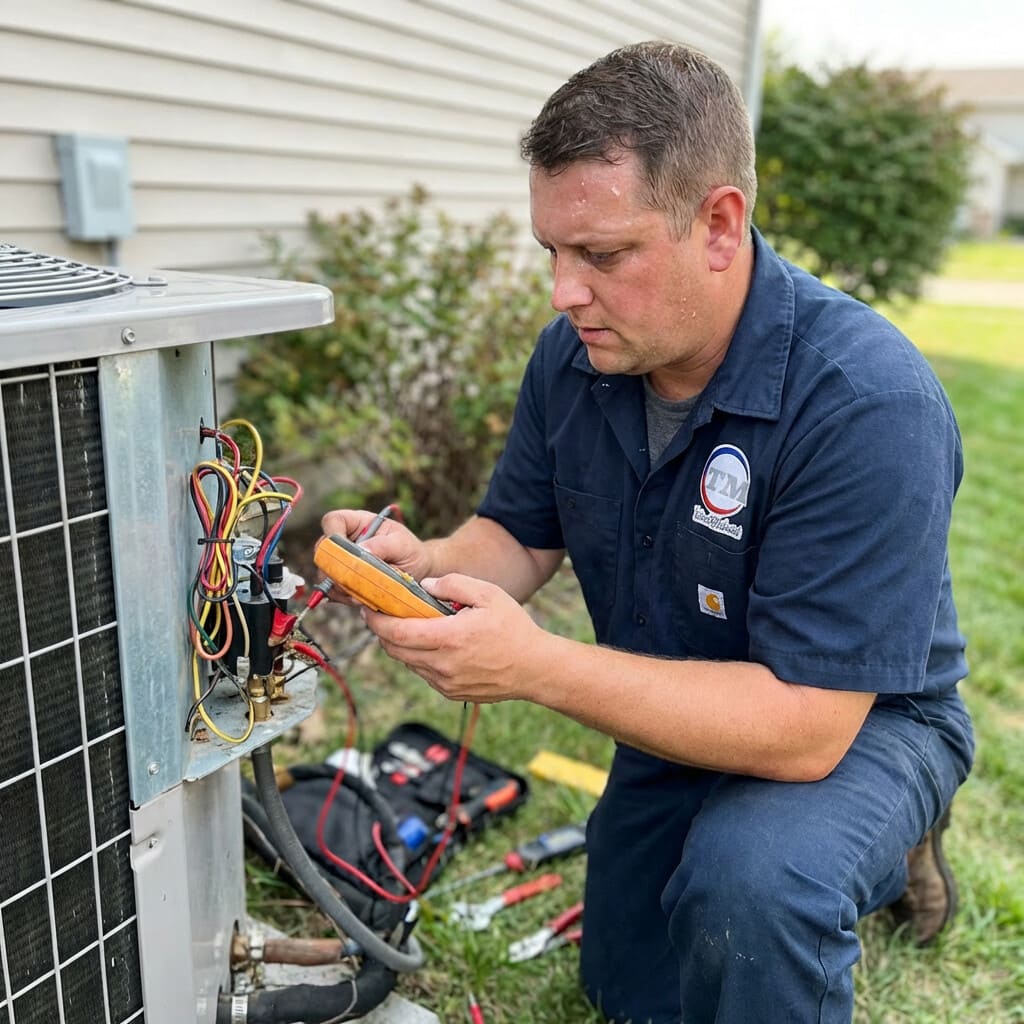
Environmental exclusions. Some warranties specifically exclude damage from corrosive environments. Tucson is not a coastal environment, but heavy dust and monsoon-driven debris can accelerate component wear. If the unit sits near a workshop that produces metallic dust or chemical vapors, manufacturers may deny claims they attribute to environmental contaminants.
Maintenance-related exclusions. If the evaporator coil failed because the filter rack was missing filters for months, the manufacturer may deny the claim. Warranties often require professional cleaning of coils at certain intervals, not just filter swaps.
Labor caps and service call limits. Even when a part is covered, manufacturer labor coverage is rare or limited. If the warranty provides labor, it may cap reimbursement at a fixed hourly rate or a total dollar amount per repair. That can leave homeowners to negotiate or cover the difference.
The role of local contractors and Plunkett Home Services Working with a reputable local HVAC contractor changes the conversation. A contractor who knows Tucson weather patterns, common failure modes, and local building codes can not only install and repair equipment faster, they can help steer warranty outcomes in your favor. Contractors who follow manufacturer installation checklists and register equipment promptly reduce the chance of denied claims.
If you search for HVAC repair or AC installation in Tucson and come across Plunkett Home Services, expect a contractor model that emphasizes documentation and proactive maintenance. Companies like this often offer maintenance agreements that both preserve warranties and reduce emergency service calls. Ask any contractor whether they will perform the system registration with the manufacturer, and whether they provide post-install documentation — those actions matter when a claim is filed.
Emergency repairs and warranties Emergency AC repair near me is a common search in Tucson summers. Emergency response sometimes creates friction with warranty requirements. For example, an emergency technician may perform a temporary repair to restore cooling quickly, then recommend a permanent fix. Temporary repairs done under emergency conditions should be documented thoroughly. If a permanent warranty-covered part is later replaced, the manufacturer will want to know whether the emergency action contributed to failure.
If your unit fails on a weekend or holiday, choose a contractor who balances speed with compliance. A fast but non-licensed tech might get the air moving but jeopardize a warranty claim later. Conversely, a licensed contractor who documents emergency actions creates a clear paper trail that supports future claims.
Deciding whether to use manufacturer service or a local contractor Manufacturer service teams understand their products but may not offer the local responsiveness of a nearby HVAC contractor. Local contractors are often faster and more familiar with local failure patterns. The trade-off is that the manufacturer may insist repairs under warranty be performed or approved by authorized service providers, so check authorization status before hiring.

Real-world scenario: homeowners often call after a failed compressor is diagnosed. The manufacturer will cover the part, but the warranty requires an authorized installer to fit it. If the original installer no longer operates locally, the homeowner must find an authorized contractor and coordinate the repair. That can add delay, but it preserves the claim.
Documentation that helps win warranty claims A clear set of documents will turn a disputed warranty into a routine replacement. Keep:
- purchase contract and original warranty certificate, model and serial numbers of indoor and outdoor units, written maintenance records from licensed technicians, copies of emails or messages with the installer or manufacturer, photos of the installation area, including airflow space and any non-standard configurations.
If you need to file a claim, start with the installer. Many manufacturers require the installer to initiate the claim. If the installer is uncooperative, escalate to the manufacturer with your documentation. Being calm, prepared, and precise often produces better outcomes than an angry phone call.
Cost trade-offs: paying now versus paying later Extended warranties and maintenance agreements cost money upfront. The trade-off is risk management. If your system is young and covered under a robust manufacturer warranty, the incremental value of an extended plan may be low. Conversely, for older systems or units with known vulnerable components, an extended labor-inclusive plan can be a wise hedge.
Estimate numbers matter. A typical compressor replacement in Tucson, including labor, can be in the range of $1,200 to $2,500 or more depending on the unit size and complexity. A single annual maintenance visit usually runs $100 to $200 locally. If a maintenance contract costs $300 per year but prevents a premature compressor failure that would otherwise cost $2,000, it pays for itself in a few years. Those figures are general; get local quotes for precise comparisons.
When to replace instead of repair Sometimes the warranty conversation is moot because the system is simply at the end of life. If your unit is older than 12 to 15 years, has had repeated compressor or control board failures, or uses R-22 refrigerant that is costly and scarce, replacement may be the sensible choice. Modern systems are more efficient and often come with longer warranted components, making replacement an investment in future reliability and lower utility bills.
Ask your contractor for a lifecycle analysis that includes repair costs, estimated future failures, and efficiency gains from a new system. A transparent contractor will present both sides.
Practical steps to protect yourself today Document everything. Register any new equipment immediately and keep digital copies of all paperwork. Schedule annual maintenance with a licensed contractor and request written reports after each visit. Choose contractors with local reputation and manufacturer authorization where possible. Before any repair, ask whether the part will be covered by warranty, whether labor is included, and what documentation will be submitted to the manufacturer. If a repair could affect the warranty, get the answer in writing.
Final thoughts on making warranty coverage work for you Warranties exist to protect buyers from defective products, but they are not a substitute for good installation and consistent maintenance. In Tucson, where heat and dust stress HVAC systems, proactive care combined with careful contractor selection yields the best outcomes. When you search for HVAC Service Near Me or Emergency AC repair near me, choose the contractor who communicates clearly about warranty responsibility, registers equipment promptly, and leaves you with a tidy folder of documentation for future claims.
If you want help assessing your system, collecting your paperwork, or scheduling a warranty-preserving https://raymondcktr465.overblog.fr/2026/05/plunkett-home-services-tucson-s-trusted-hvac-repair-team.html tune up, contact a licensed local HVAC contractor like Plunkett Home Services or another vetted provider. A short maintenance visit now can keep you out of the phone queue during the next heat wave and save you from a bill you did not expect.
Plunkett Home Services
3144 E Fort Lowell Rd, Tucson, AZ 85716, United States
+1 (520) 808-2743
[email protected]
https://callplunkett.com/